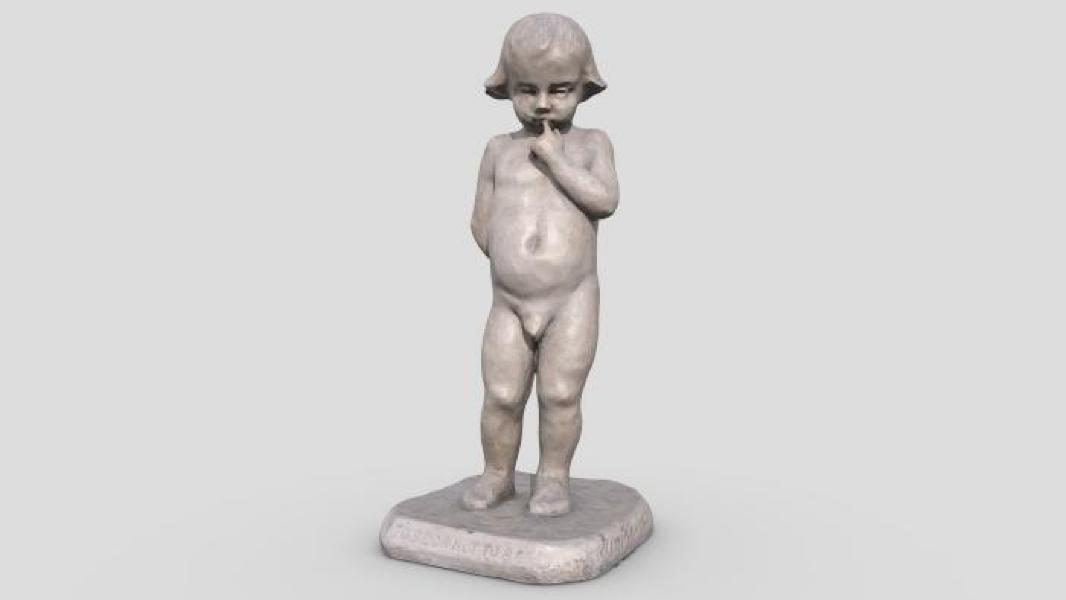
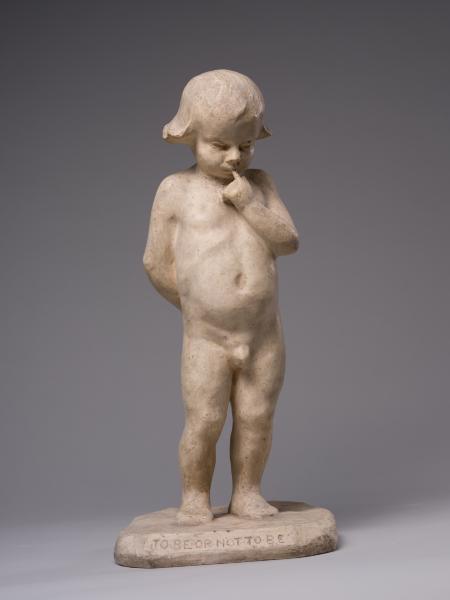
To Be Or Not To Be? (Boy)
Stanislaw Kowalski


Basic information
- ID
- С-I-1964
- Author
- Stanislaw Kowalski
- Name
- To Be Or Not To Be? (Boy)
- Date of creation
- 1930s
- Country
- Poland
- Culture
- Contemporary times
- Technique
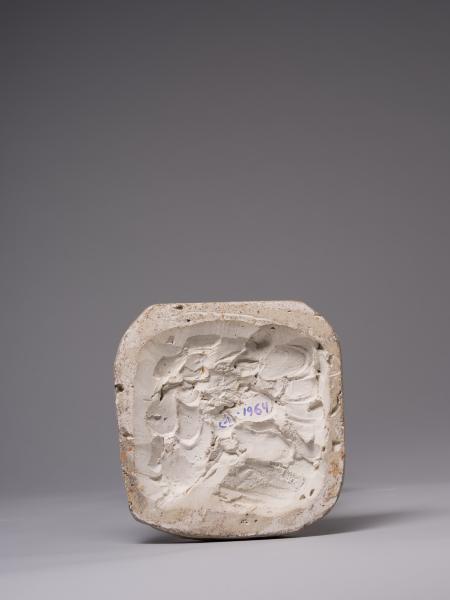
- moulding
- Material
- plaster
- Dimensions (height x width x depth, cm)
- 44 x 20 x 21
Information about author
Object description
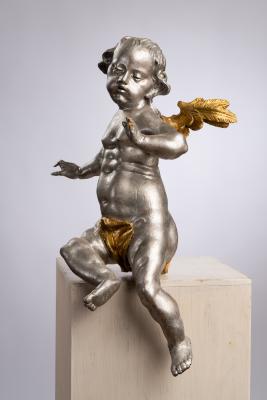
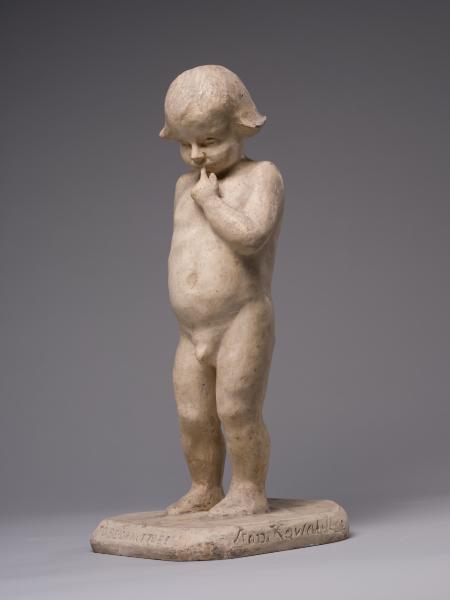
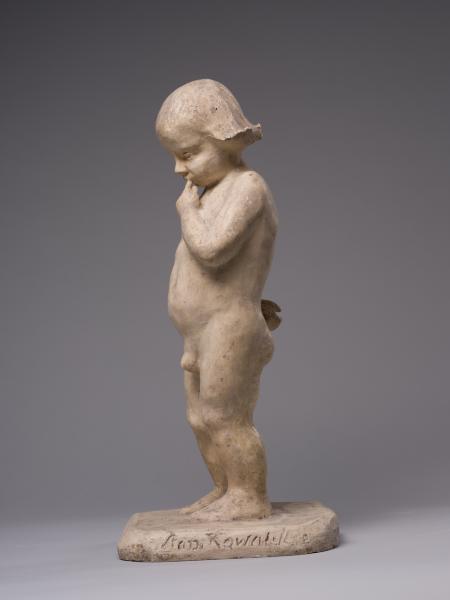
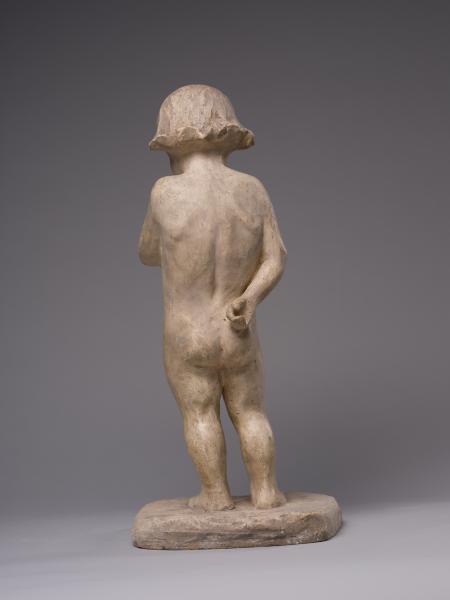
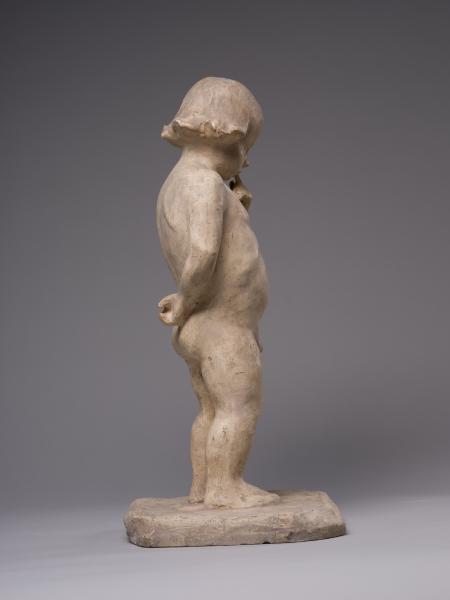
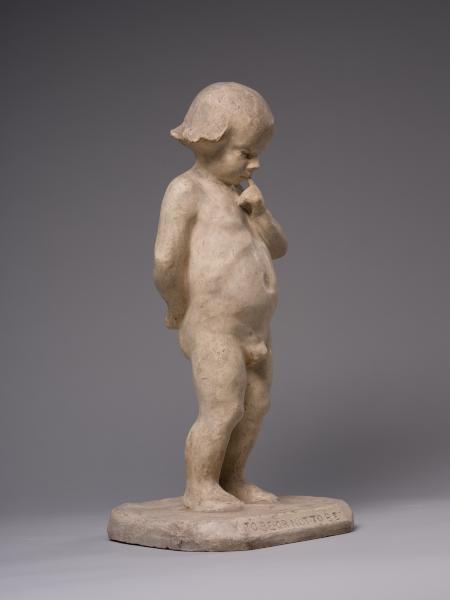
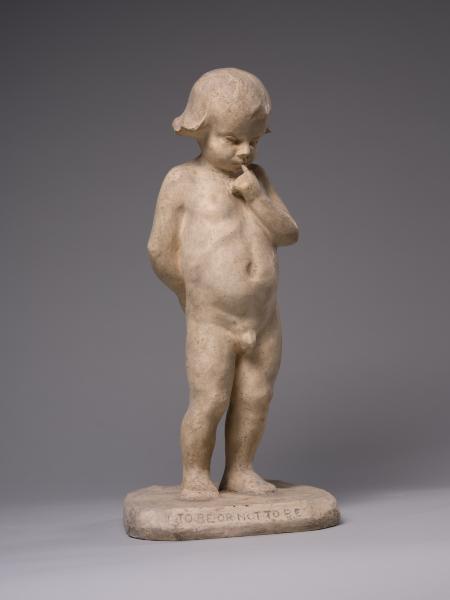
Stanislaw Kowalski created the comic statuette "Boy" under the influence of the style of his teacher, Jozef Starzynski, a famous Lviv master of decorative monumental and easel sculpture, a teacher at the School of Art and Industry, whose work was characterised by a playful, ironic interpretation of mythological, historical and everyday subjects, and by free movement in the space of various figurative and plastic systems: stylised archaic, neo-Baroque, Cubism, Futurism, Expressionism, Primitivism, Art Deco. The visual language of the work is thus based on an ironic contradiction between the sublime and the everyday: Hamlet's famous phrase "To be or not to be?" from the Shakespearean tragedy of the same name, which captures the most profound meanings of existence, and a comical childlike figure, similar to the numerous images of a putto in Renaissance and Baroque culture and reminiscent of the humorous Brussels figure on the Grand Place. The comic quality of the sculpture is created by the deep thoughtfulness of the plump face, the seriousness of the child's posture, and the adult-like right hand behind the back. The artistic solution of the statuette shows S. Kowalski's mastery of the twentieth-century sculptural experience, particularly the free modelling, rhythmic organisation of volumes, and internal movement of sculptural forms inherent in the new French School.
Inscriptions
The signature on the right side of the plinth: "Stan. Kowalski"; on the front of the plinth: "TO BE OR NOT TO BE".
Legal regulation
Borys Voznytskyi Lviv National Art Gallery