Girl with a Basket on Her Head
Meissen Porcelain Manufactory
Basic information
Additionally
- Type
- decorative and applied arts
- Genre
- genre art
Information about author
Object description
Porcelain is a noble and the most refined type of ceramics. It is fashioned from a blend of various clay varieties, primarily composed of kaolin. The body is either coated with a transparent glaze or left unglazed, which is known as biscuit porcelain. The wares undergo at least two main stages of thermal treatment and are fired at exceptionally high temperatures. Fine ceramic objects are characterised by their white colour, resonance, strength, and translucency. Two fundamentally different decoration methods are employed in its production: relief modelling and painting.
Porcelain originated in China around the 6th–7th centuries, where the secret of its manufacture was closely guarded. Chinese porcelain items reached Europe during the Middle Ages and were valued more highly than gold, which later earned them the moniker "white gold". For centuries, European masters attempted to replicate this material, creating only fragile, soft imitations instead. The secret of the Chinese craftsmen was finally unlocked only at the beginning of the 18th century in Saxony.
The first manufacture in Europe to produce hard-paste porcelain was founded in 1710 by the Saxon Elector and King of Poland, Augustus II the Strong, near Dresden in the town of Meissen. Its establishment followed the development of kaolin clay mines and the invention of the porcelain paste recipe in 1709 by the alchemist Johann Friedrich Böttger. Throughout the 18th century, the Meissen manufacture experienced its most illustrious period of flourish, shaped by the work of such prominent masters as Johann Gregor Höroldt, Johann Gottlieb Kirchner, Johann Joachim Kändler, Michel Victor Acier, and others. This was an era of bold experimentation, technological refinement, and the creation of iconic models. The primary output of the manufacture consisted of exquisite tableware (dinner, tea, and coffee services), as well as elaborate candelabra and clock cases. Porcelain sculpture explored highly diverse themes: allegorical and mythological subjects, figures of gallants and ladies, characters from the Italian commedia dell'arte, as well as depictions of foreigners, artisans, peasants, soldiers, hunters, and shepherds. Wares of the 19th century were artistically less significant, as production during this period frequently relied on creating new casts from historic moulds. These works encapsulate the versatility of artistic styles in decorative arts, serving not merely a utilitarian purpose but offering profound aesthetic pleasure.
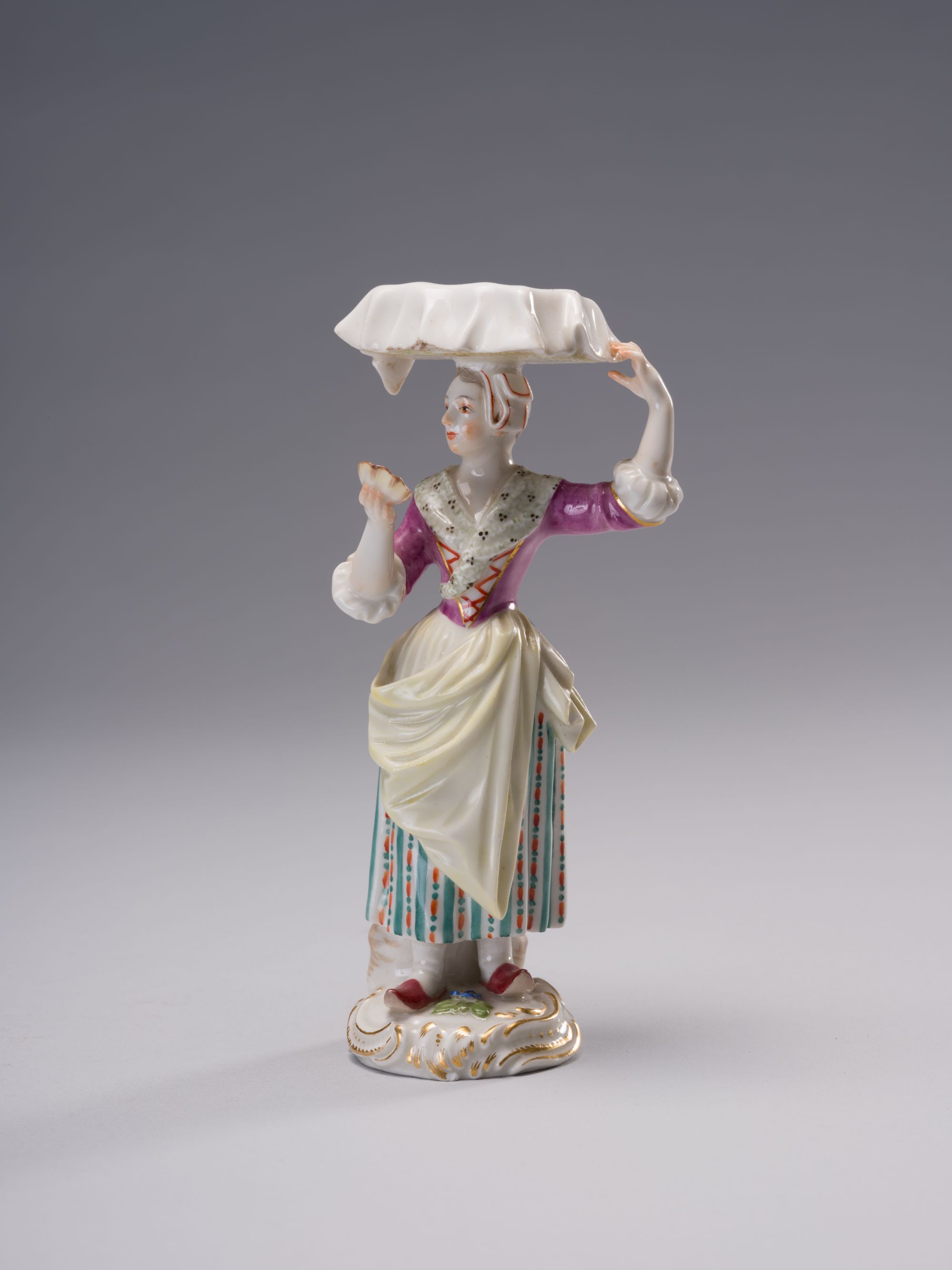
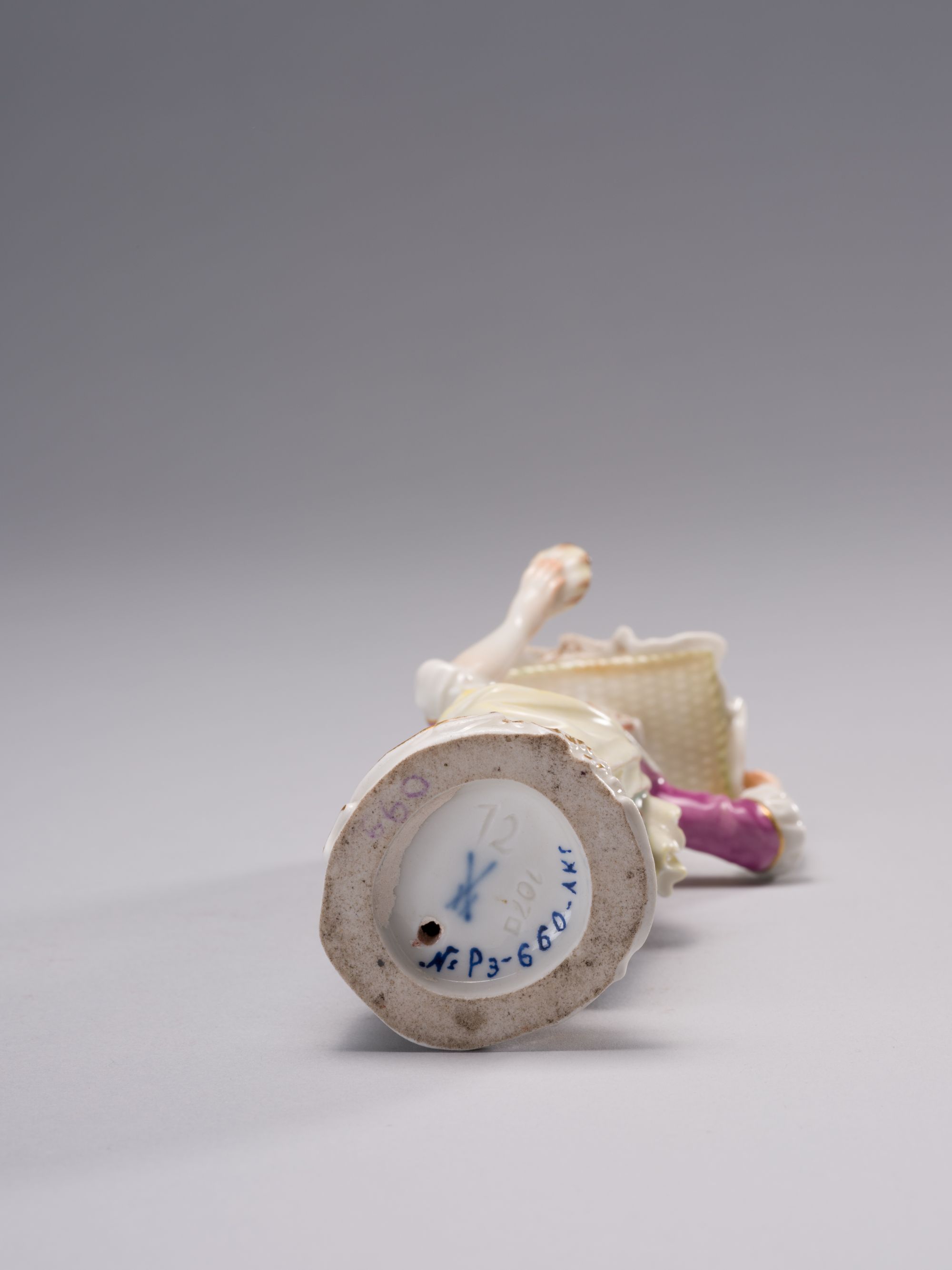
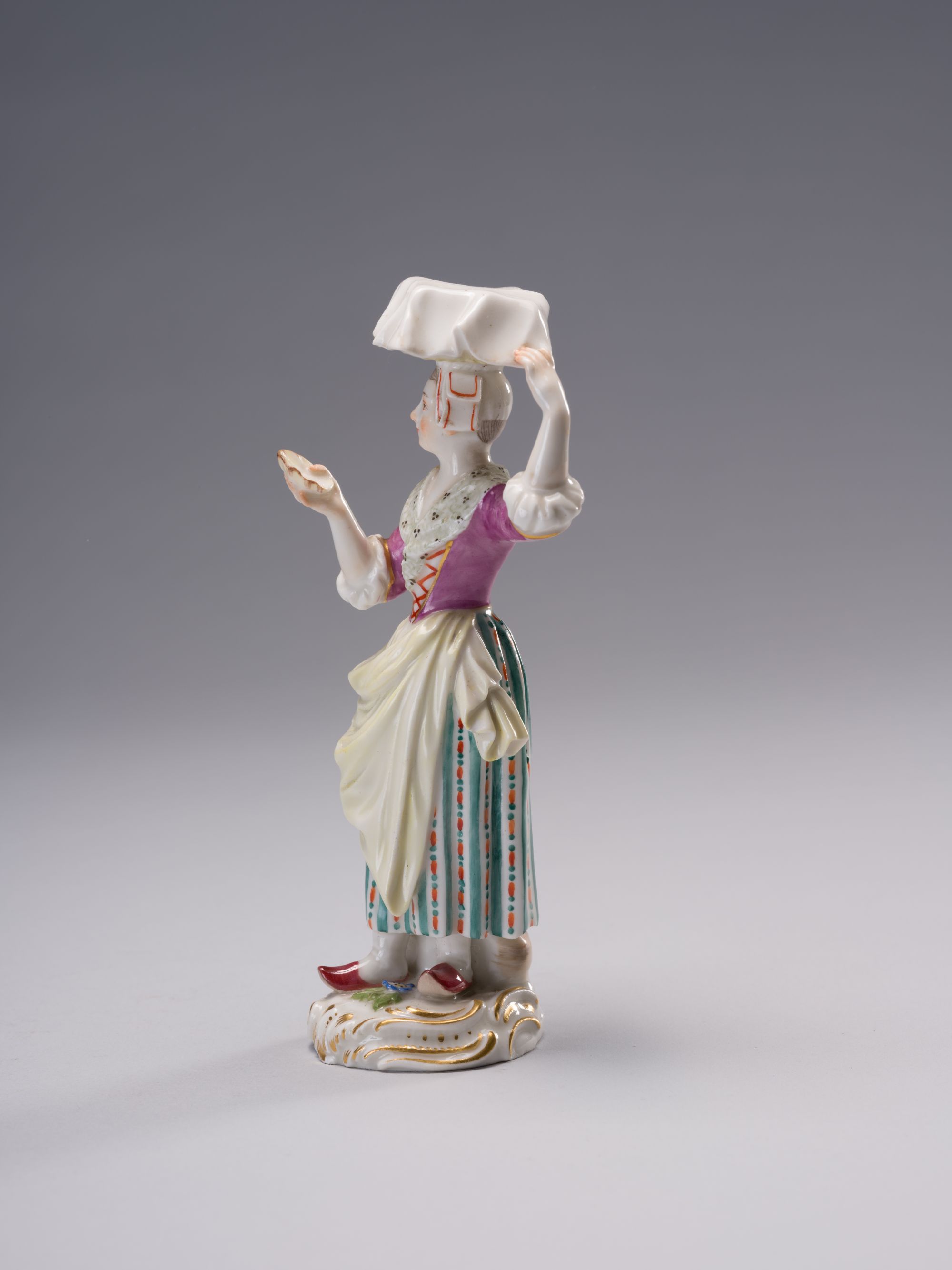
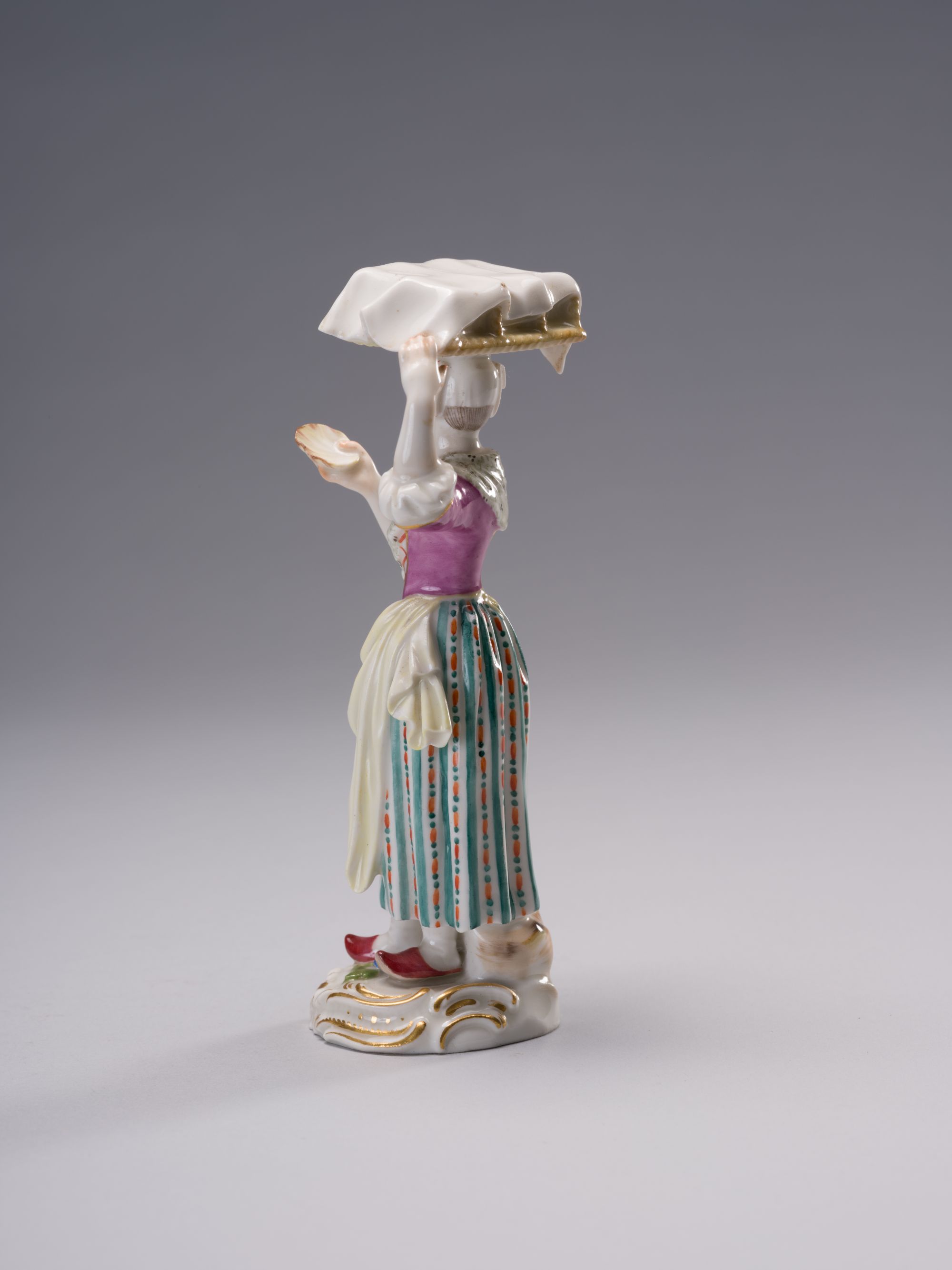
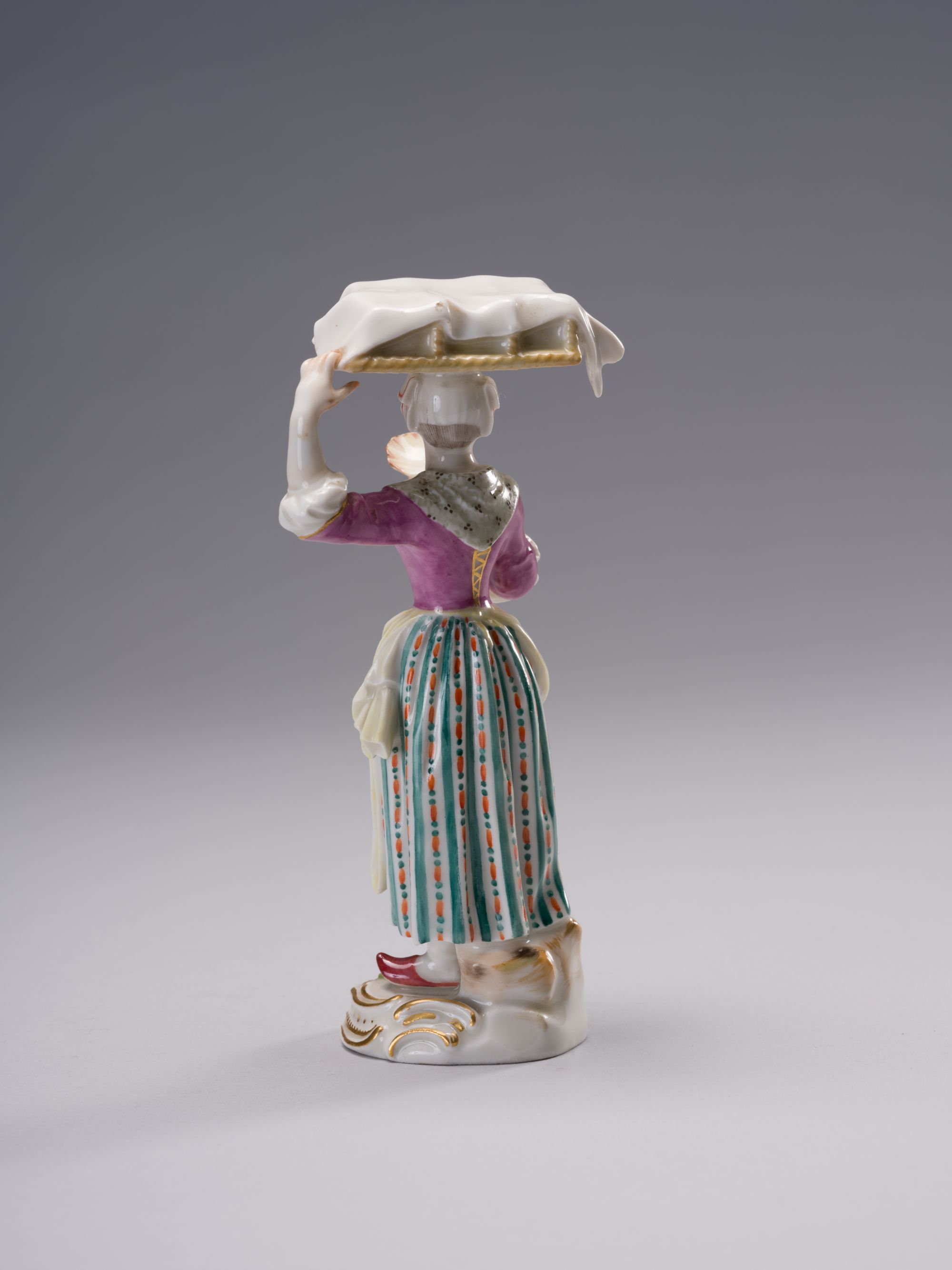
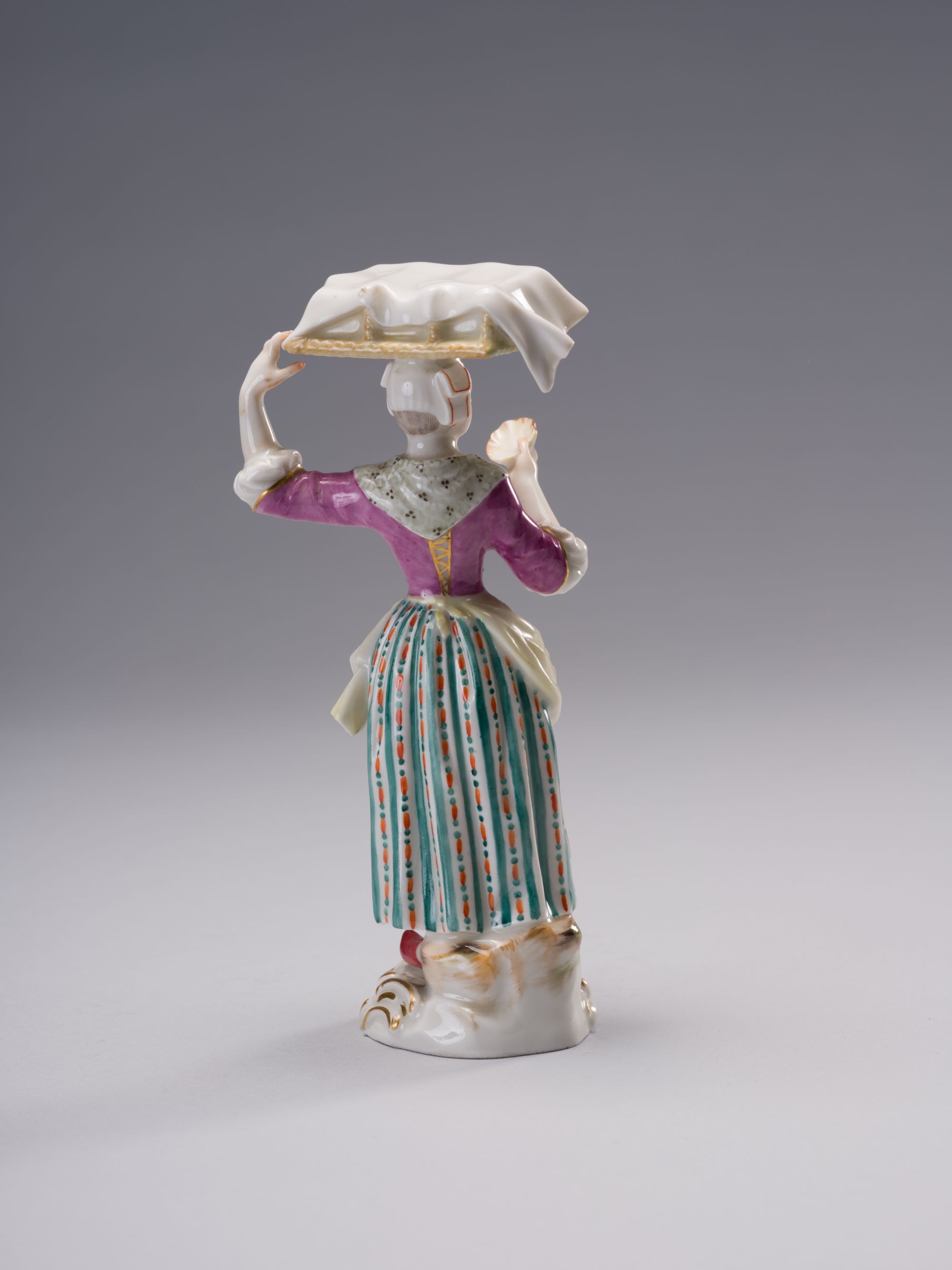
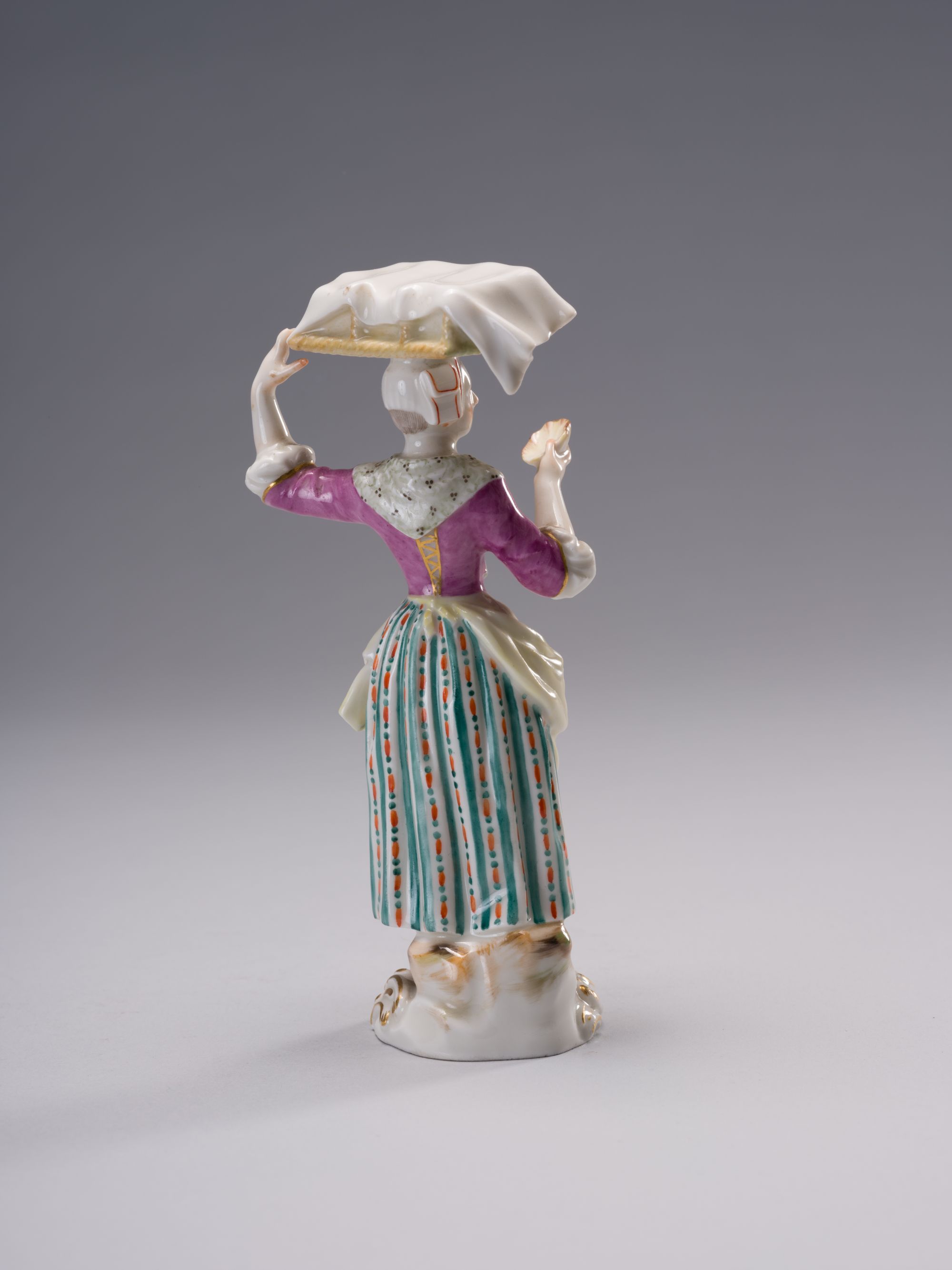
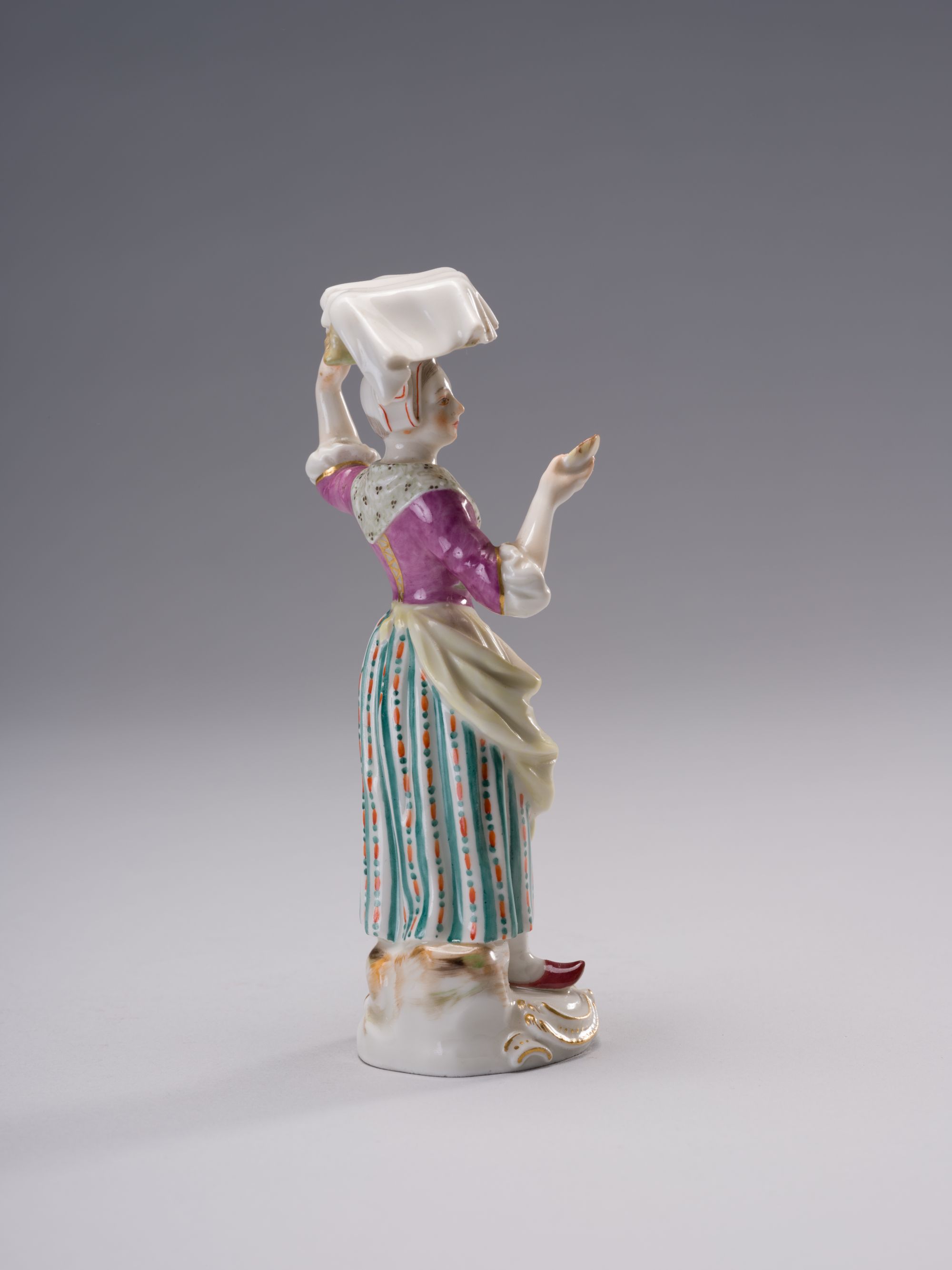
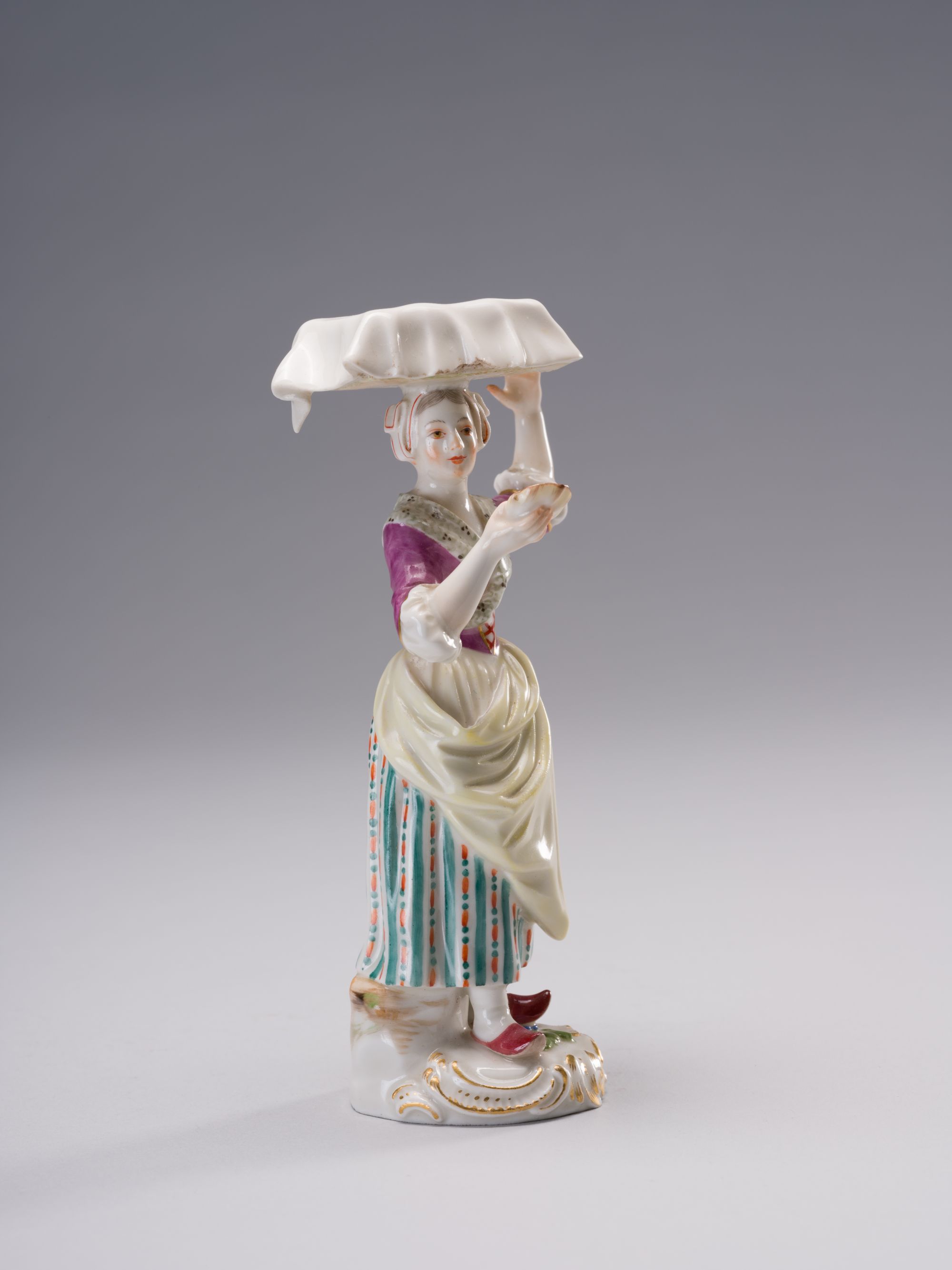
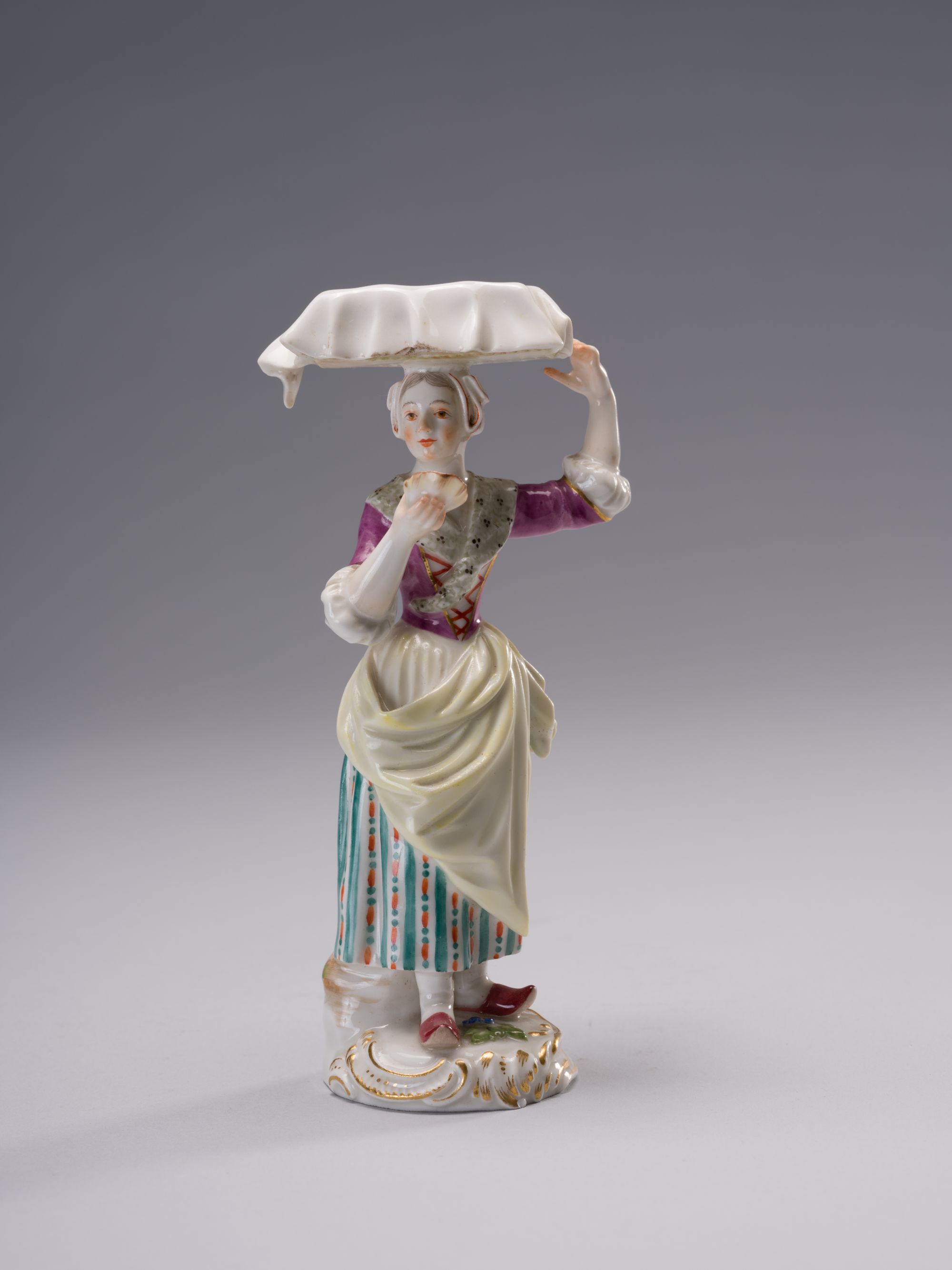
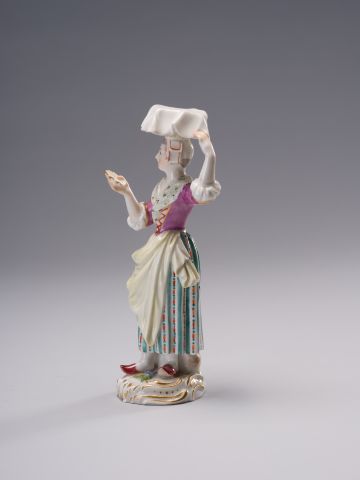
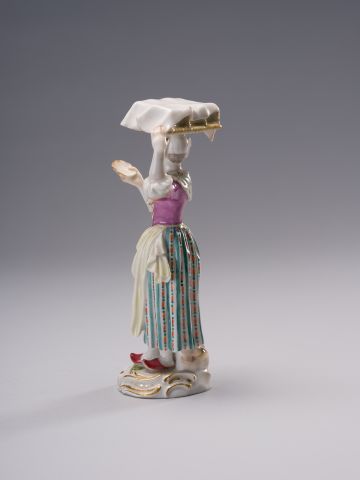
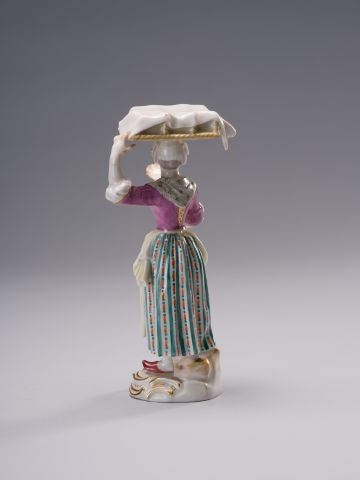
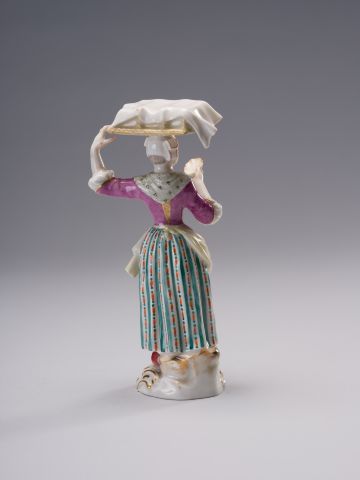
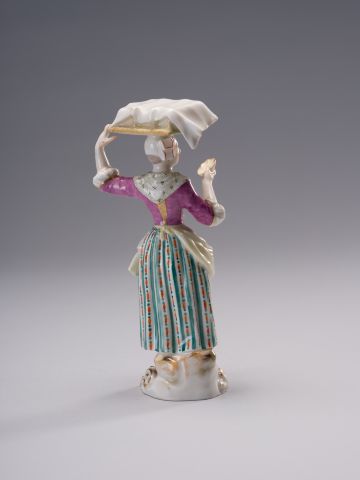
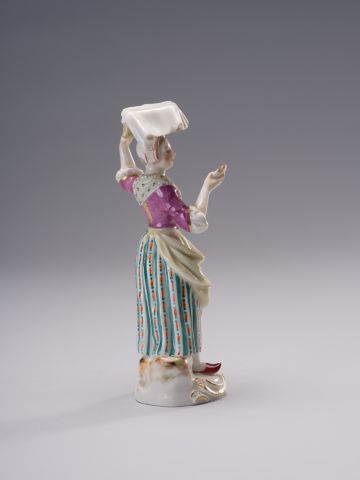
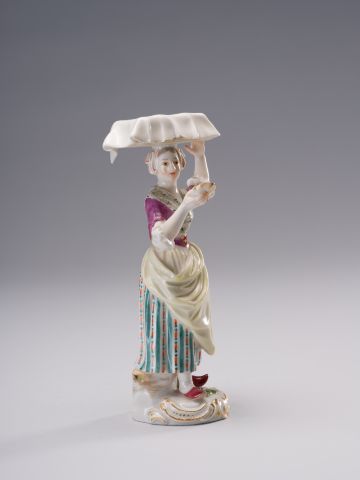
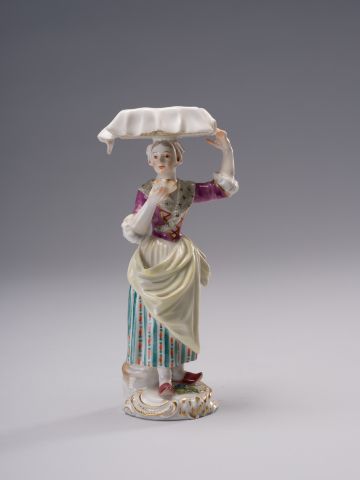
The statuette depicts a young woman in colorful 18th-century attire, balancing a flat basket on her head and holding a seashell in her right hand. The figure represents a traditional urban character – highly likely a street vendor selling fish and seafood. The work is distinguished by its exquisite polychrome overglaze painting and delicate plastic modelling of details. The base of the figurine is adorned with gilded scrollwork (rocaille) ornamentation typical of the Rococo style.
Legal regulation
Borys Voznytskyi Lviv National Art Gallery