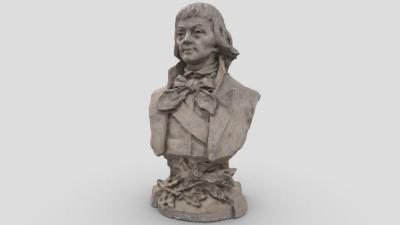
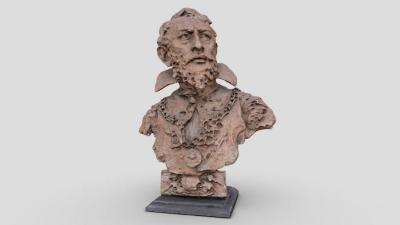
Bust of Father Baracz
Tadeusz Baracz


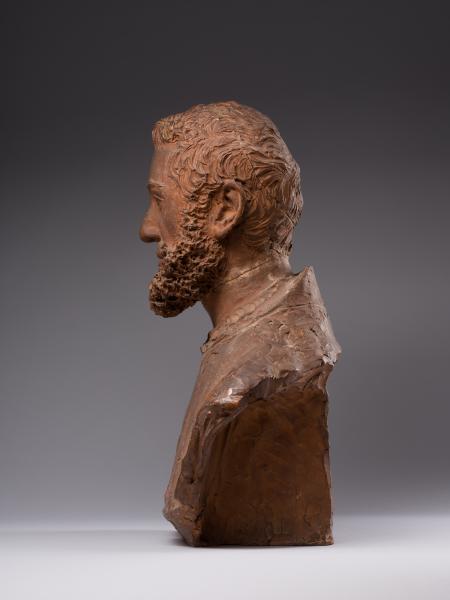
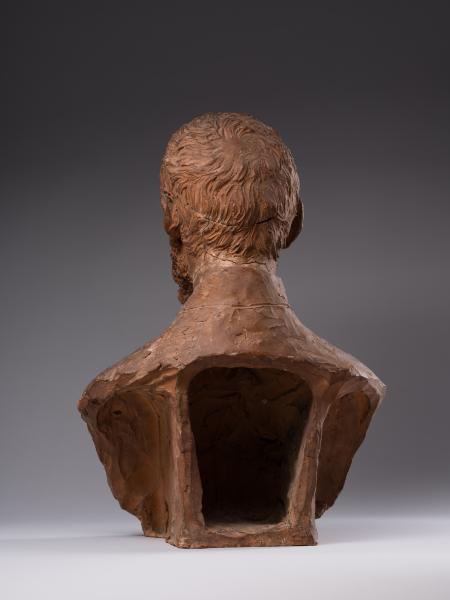
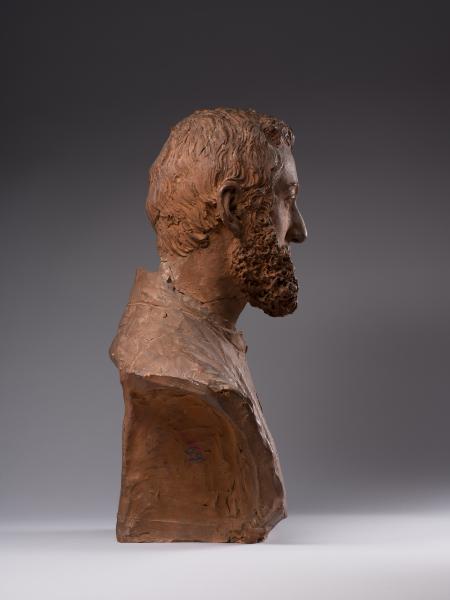
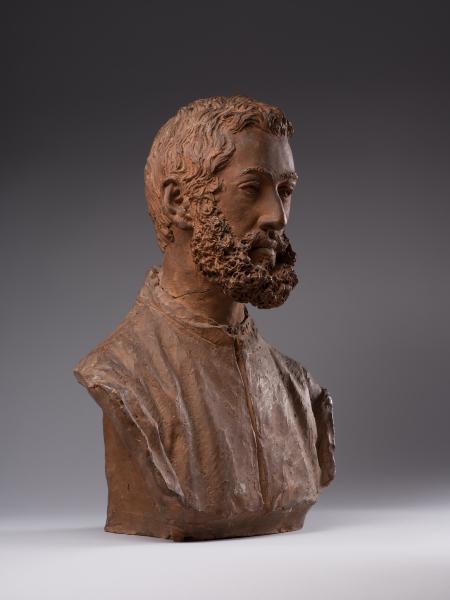
Basic information
- ID
- С-I-36
- Author
- Tadeusz Baracz
- Name
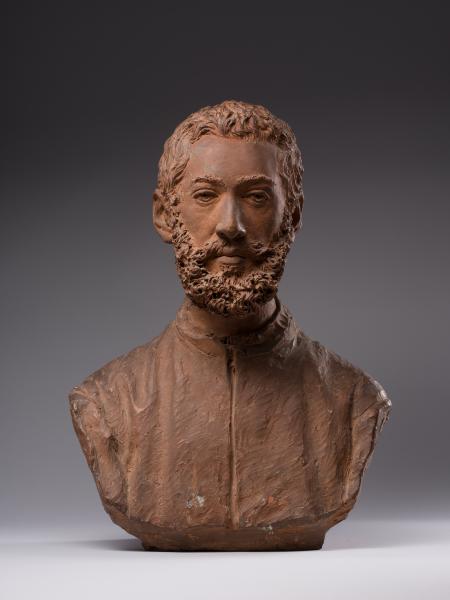
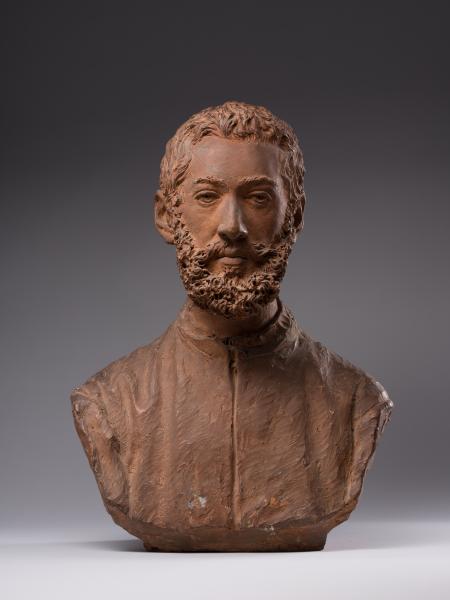
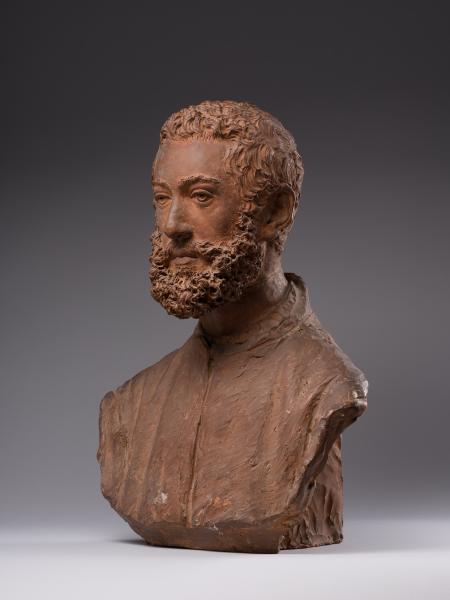
- Bust of Father Baracz
- Date of creation
- 1883–1885
- Country
- Austro-Hungarian Empire
- Culture
- Modern times
- Technique
- modeling
- Material
- terracotta
- Dimensions (height x width x depth, cm)
- 56.5 x 40 x 25
Additionally
- Type
- sculpture
- Genre
- portraiture
- Plot
- Portrait bust
- Provenance
- National Gallery of Lviv (until 1940)
Information about author
Object description
In addition to dynamic allegorical compositions in the Neo-Baroque and Neo-Romantic styles, graceful figures in the Neo-Florentine spirit, monumental and decorative sculptures and tombstones, T. Baracz created numerous portraits: academically well-balanced, artistically generalised, with a clear architectonics, careful reproduction of individual records and psychological traits. Their inspiration was the tradition of Roman portraits, which the sculptor creatively interpreted in the unity of integrating and individualising beginnings. One of the sculptor's best works is the "Bust of Baracz" (1883–1885), in which spirituality, thought and life can be seen behind the balanced classicist-academic forms. The reproduction of the representative of the clergy is indicated by a typical clerical vestment (Roman collar). It is also mentioned in the Book of Assets of the National Gallery of Lviv 1911–1947, where under item 729, it is stated: "a bust of Father Baracz by T. Baracz". The contrast between the soft, smooth modelling of the face and the texture of the curly hair and beard gives the impression of being enlightened by an inner, spiritual light. The image is refined by graphic and clean lines – the oval of the face, large almond-shaped eyes, lips, and eyebrows. The peculiarity of the figurative solution of the work is a combination of inner concentration, lyricism, grandeur, and serenity.
Inscriptions
On the bottom left: "69".
Portrayed person
- The name of the person portrayed
- Father Baracz
Legal regulation
Borys Voznytskyi Lviv National Art Gallery