Young Faun
unknown


Basic information
Additionally
- Type
- sculpture
- Genre
- mythological painting
Information about author
Object description
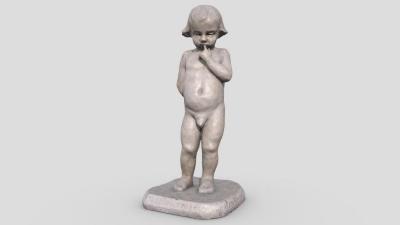
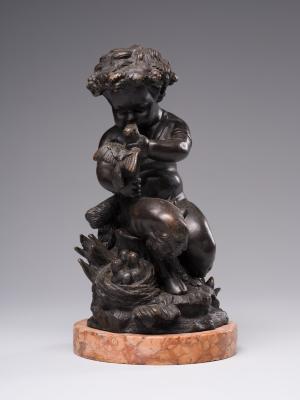
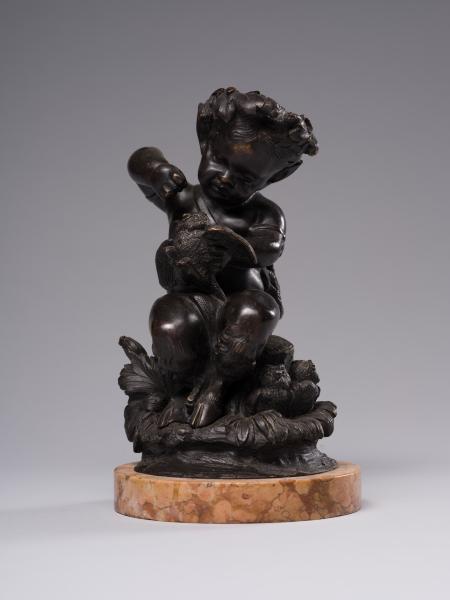
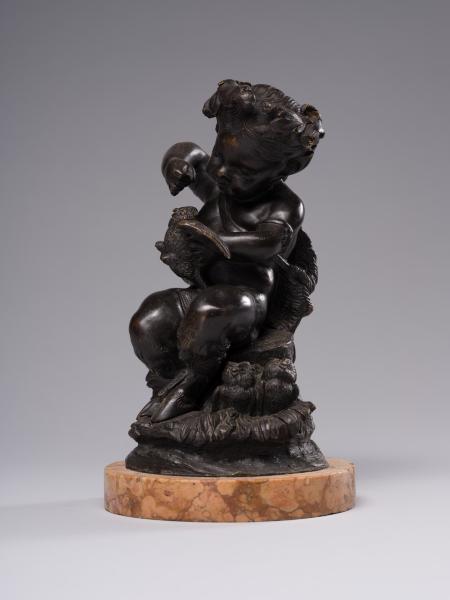
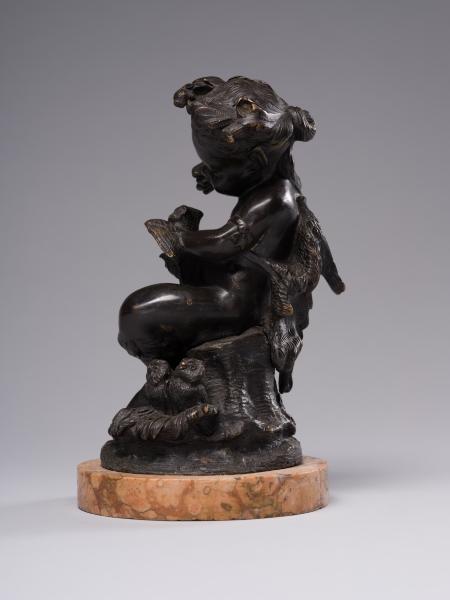
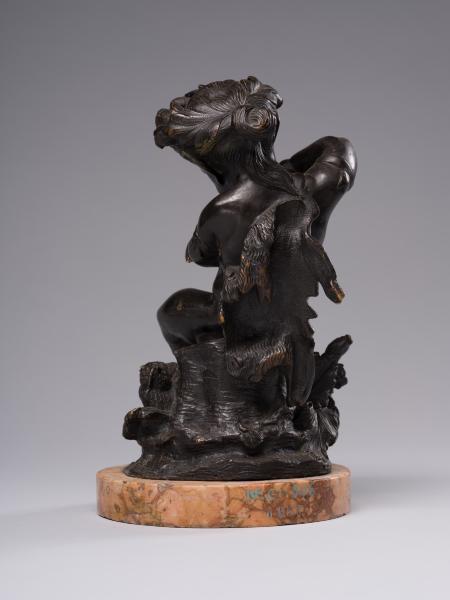
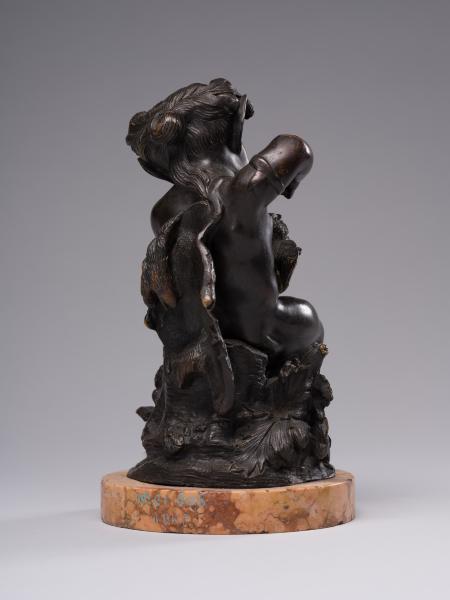
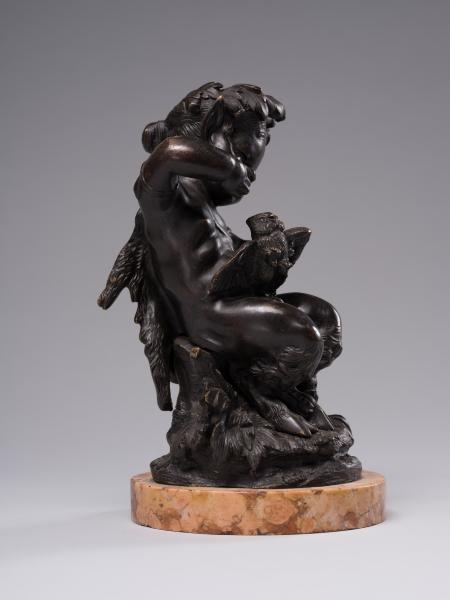
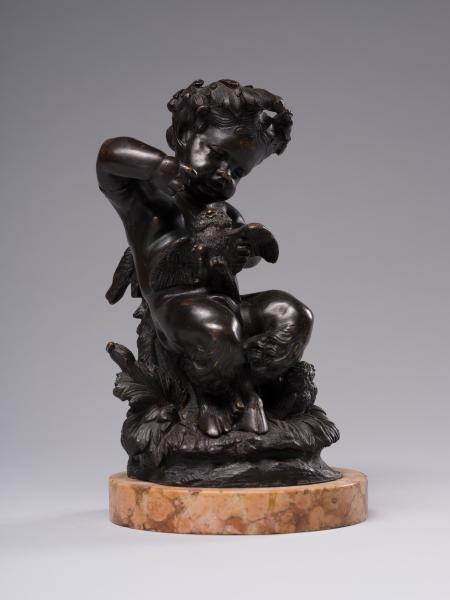
The appeal to antiquity is a feature of the Renaissance, Classicism, Baroque, and the 18th and 19th centuries culture. An example of the actualisation of the ancient theme is the image of the Faun (Latin: Faunus from favere – to favour, to be favoured) – one of the oldest deities in Roman mythology; a kind and merciful patron of forests, mountains, caves, meadows, fields, flocks and shepherds. The Romans associated Faun with the Greek Pan and depicted him as a man with goat's horns and legs. In honour of Faun, they celebrated Favnalia in December and Lupercalia on 15 February; they sacrificed goats and drank milk and wine. According to mythology, besides the main Faun, there were many minor deities of the same name with his functions and attributes. Like Silvanus, Faun was a forest god who lived in thickets, remote caves and near springs, where he foretold the future, caught birds and chased nymphs. In the work from the collection of the Borys Voznytskyi Lviv National Art Gallery, the deity is depicted as a child, similar to a playful, carefree putti who has just caught an owl. The artistic features of the image are the expressiveness of the silhouette, skilful modelling of decorative details, classical softness, and perfection of forms. The subtle lyricism and moodiness of the image are striking, referring to the ancient understanding of nature-physis as a centre of wisdom, goodness and beauty.
Legal regulation
Borys Voznytskyi Lviv National Art Gallery