Psychea
Luna Drexler


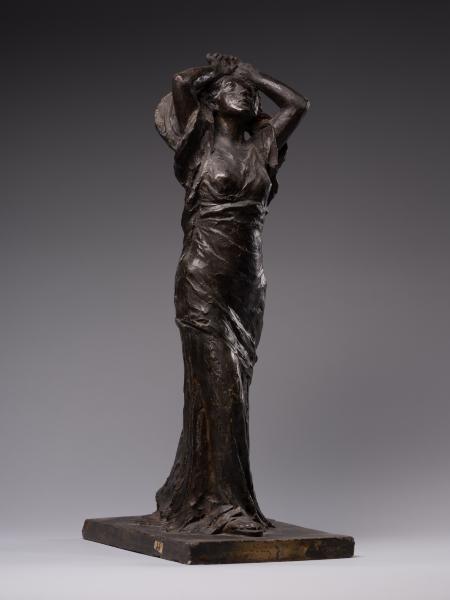
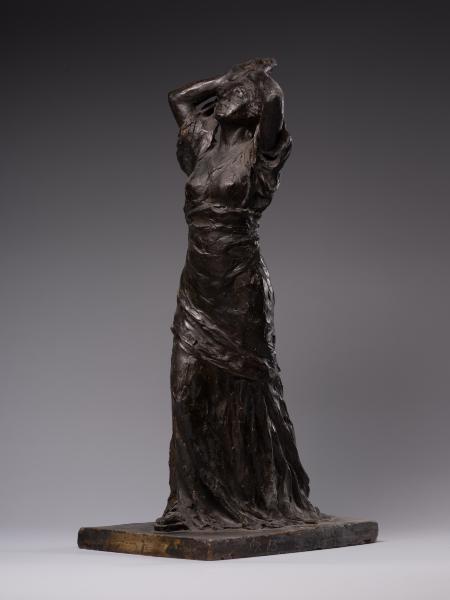
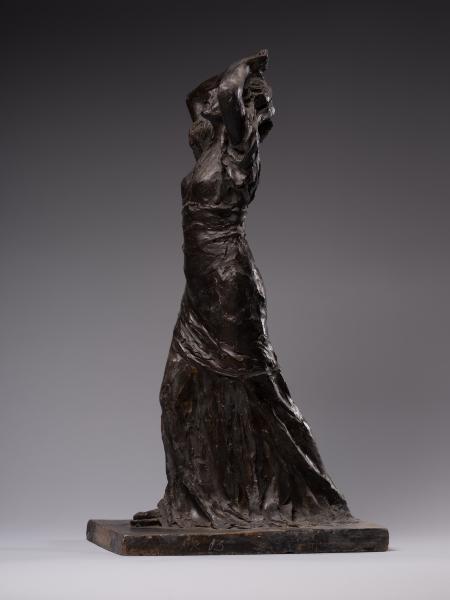
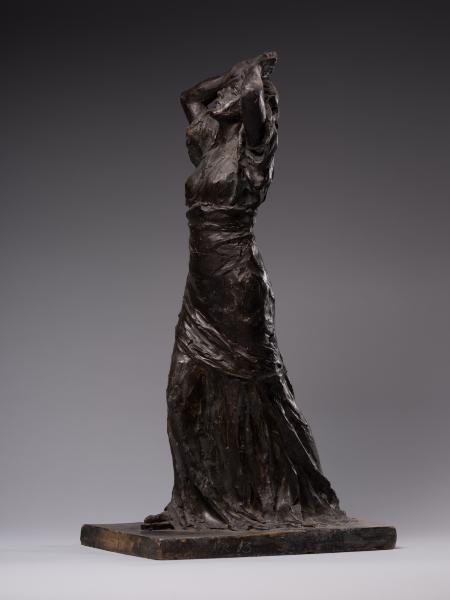
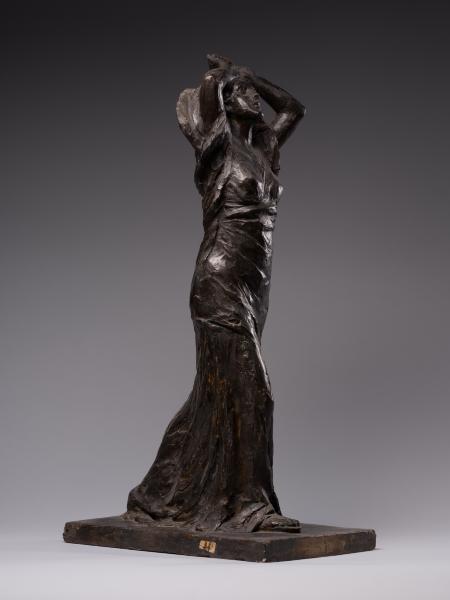
Basic information
- ID
- С-I-384
- Author
- Luna Drexler
- Name
- Psychea
- Date of creation
- c.1910
- Country
- Austro-Hungarian Empire
- Culture
- Contemporary times
- Technique
- moulding polychromy
- Material
- plaster polychrome
- Dimensions (height x width x depth, cm)
- 63 x 33 x 21.5
Additionally
- Type
- sculpture 3D
- Genre
- mythological painting
- Plot
- Allegory of the soul
- Provenance
- Received from the Lubomirski Museum
Information about author
Object description
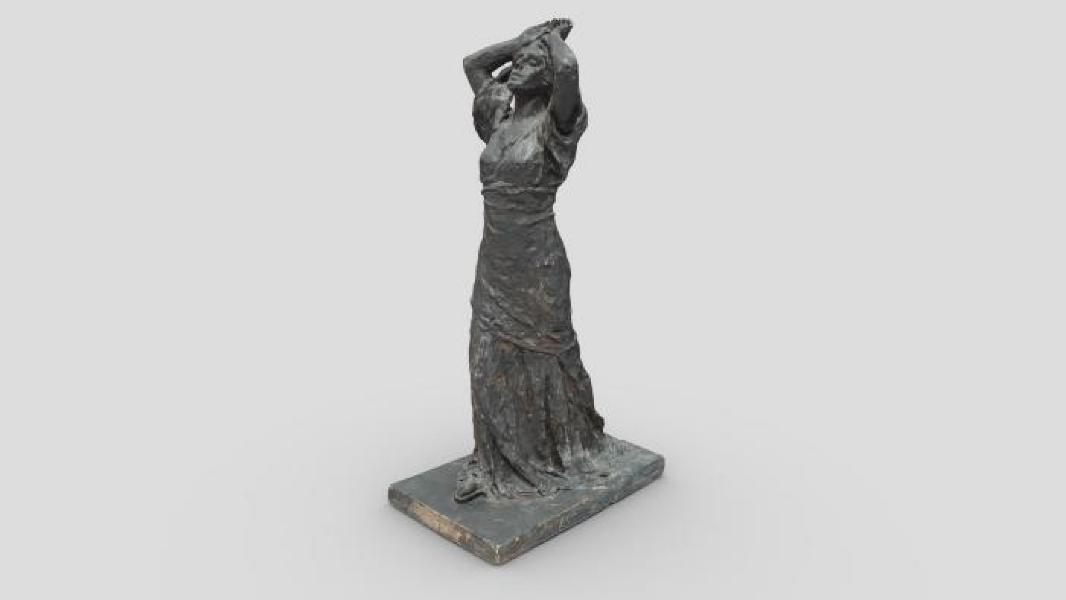
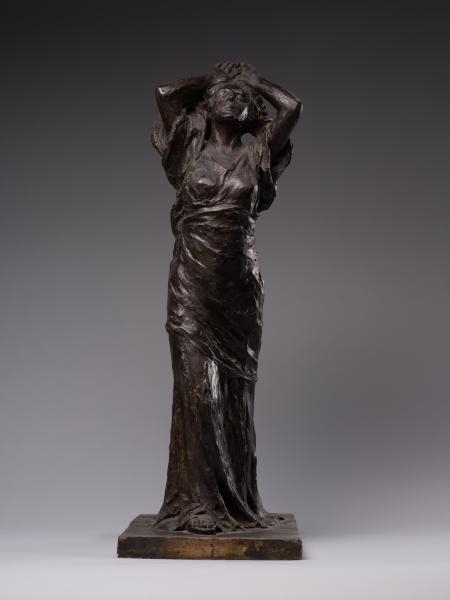
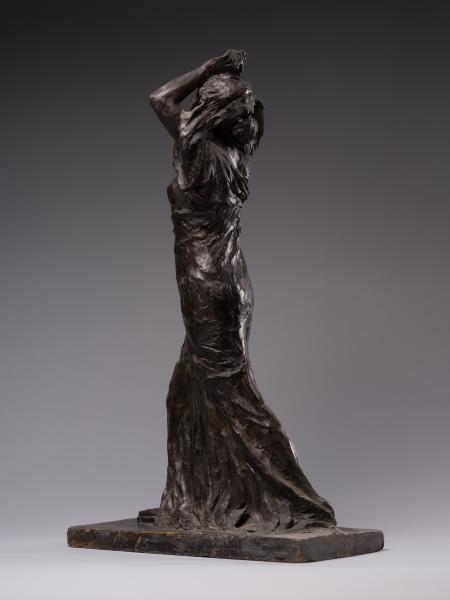
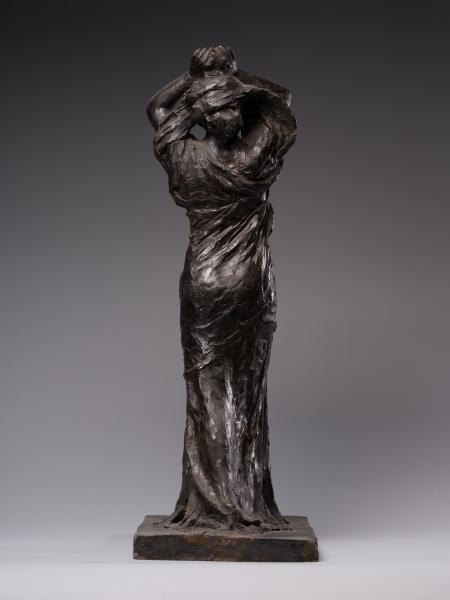
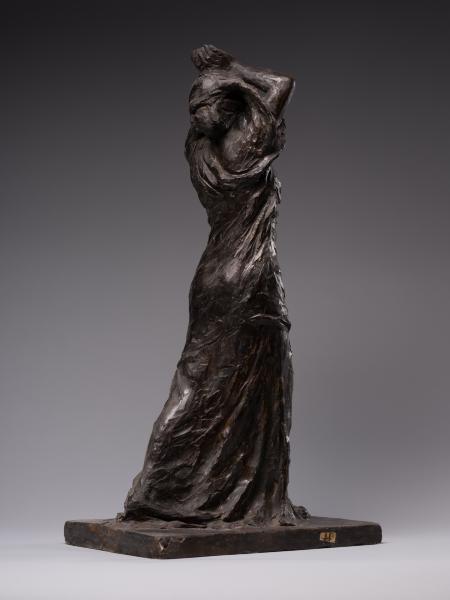
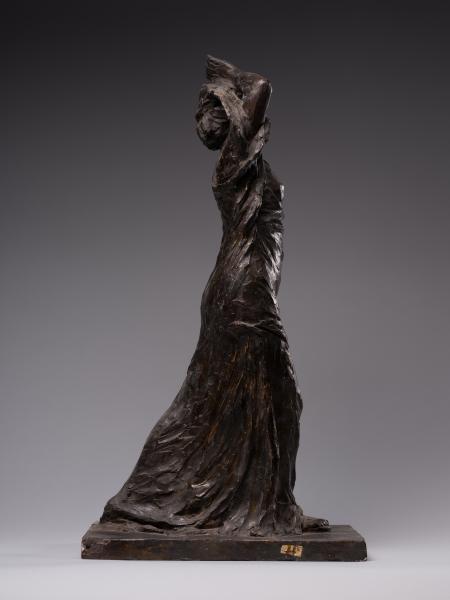
Luna Amalia Drexler's sculpture "Psyche" ("Wanda") or "Self-Exploration" combines the desire to visualise the subconscious, Secessionist elegance, symbolic mystery and Impressionist freedom of form characteristic of early 20th-century art. Appealing to the ancient Greek mythological image of Psyche (from the ancient Greek Ψυχή – "soul", "breath"), the author creates a multifaceted sculptural figure. Taking into account the connection between Psyche and Eros that has been established in the history of culture – from Posidippus, Meleager and the ancient Roman writer Lucius Apuleius to the English Romantic poet John Keats – one variation of the interpretation of the work is the self-knowledge of the soul in love. The double title of the sculpture reflects the understanding of the soul as a unity of sensations, mind, will, and imagination and its identification with cognition and self-knowledge, which is typical for ancient and Renaissance philosophical thought. One aspect of the artistic representation is an appeal to the Platonic concept of cognition as a passionate, sensual attraction of the soul to the world of "eidos". The figure is in keeping with the idea of the soul's unity with the eternal and absolute, as well as the identity of cognition of the world and self-knowledge established in the Romantic period. The transcendental aspects of the image, rooted in the understanding of the soul as a self-moving part of the eternal, are illustrated by the ascending dynamics of the woman's body with her arms behind her head and her face turned towards the sky. The image's openness to the outside world contributes to understanding self-knowledge as unity with the world: upward through the line of the arms, forward through the step, elliptically, in the back – through the garment's folds. The image of fulfilment in self-knowledge is created by the end of the modelling of volumes from the bottom up: from the flowing, sketchy, impressionistic drapery of the dress and the flexible torso to the perfect, beautiful face. The emotional genesis of the image, inherent in early twentieth-century sculpture, is reflected in the Secessionist fluidity of contours, the differentiated play of light and shadow and the relaxed modelling of forms. The work's affiliation with early twentieth-century art is evidenced by the dominance of purely plastic means of artistic expression, semantic ambiguity and openness to different readings.
Inscriptions
On the base on the right is a fragment of a sticker from the Society of Friends of Fine Arts in Lviv: "Luna Drexlerównna / P…"; sticker: "12284".
Legal regulation
Borys Voznytskyi Lviv National Art Gallery