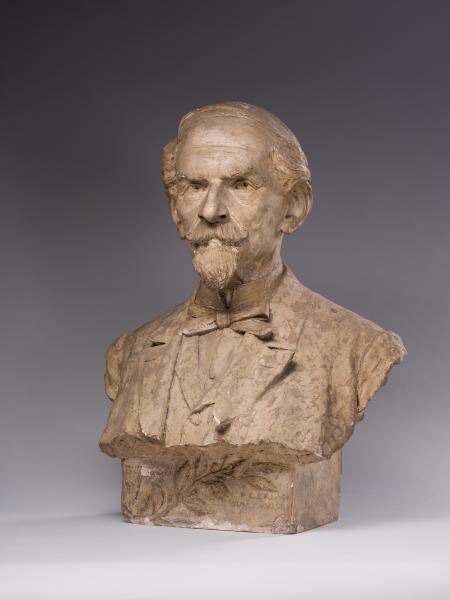
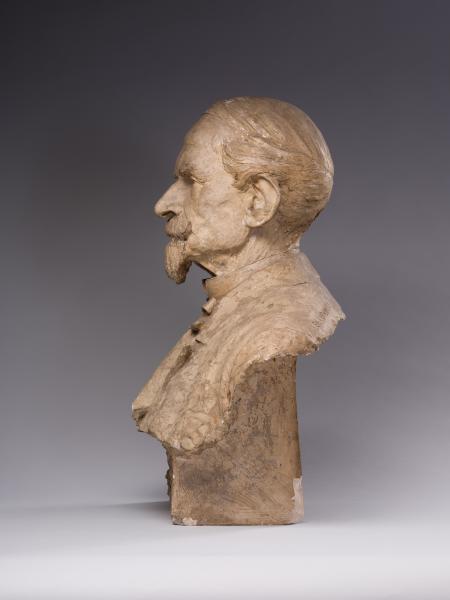
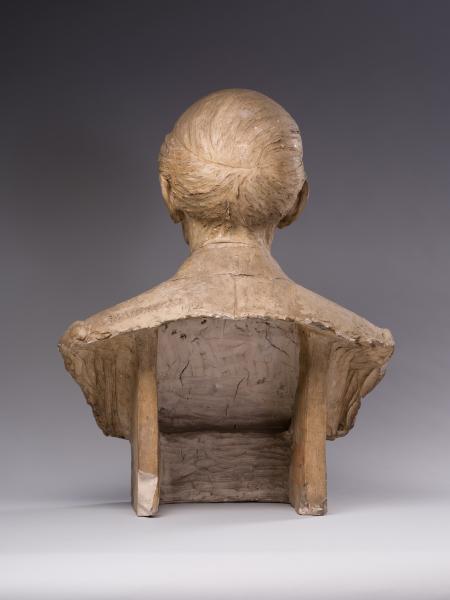
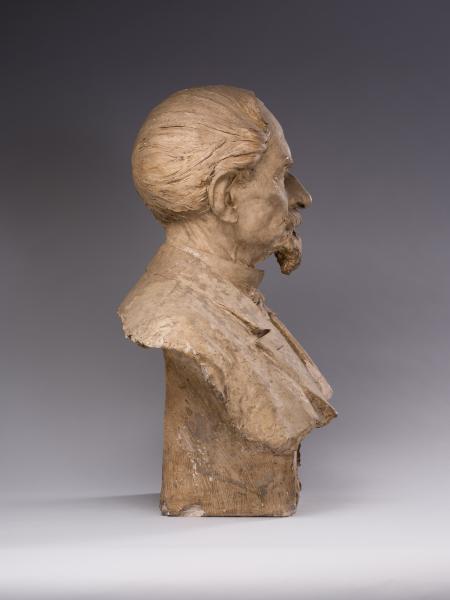
Bust of Florian Ziemialkowski
Stanislaw Roman Lewandowski


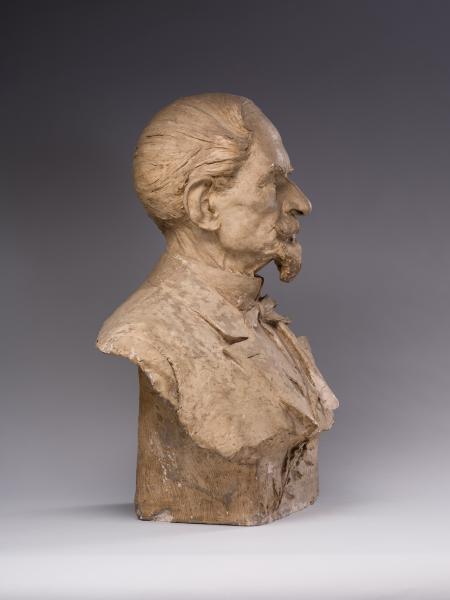
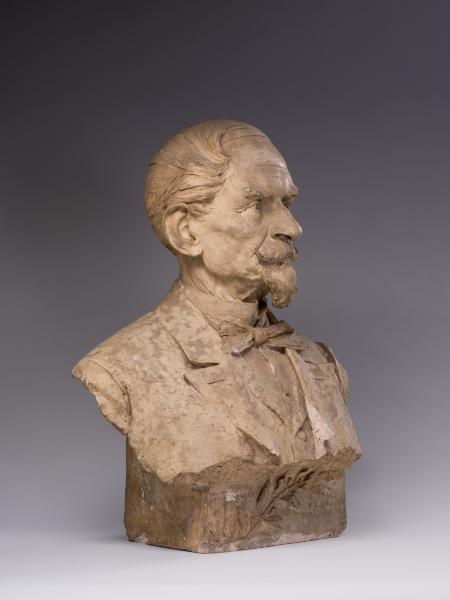
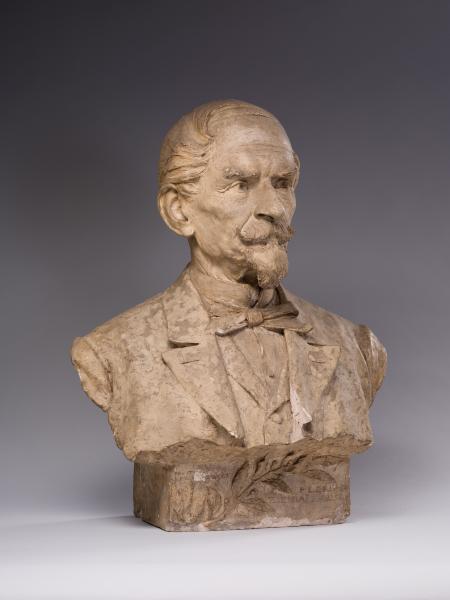
Basic information
- ID
- С-I-393
- Author
- Stanislaw Roman Lewandowski
- Name
- Bust of Florian Ziemialkowski
- Date of creation
- 1922
- Country
- Poland
- Culture
- Contemporary times
- Technique
- moulding
- Material
- plaster vernix
- Dimensions (height x width x depth, cm)
- 55 x 43 x 28
Additionally
- Type
- sculpture 3D
- Genre
- portraiture
- Plot
- Portrait bust
- Provenance
- National Gallery of Lviv (until 1940)
Information about author
Object description
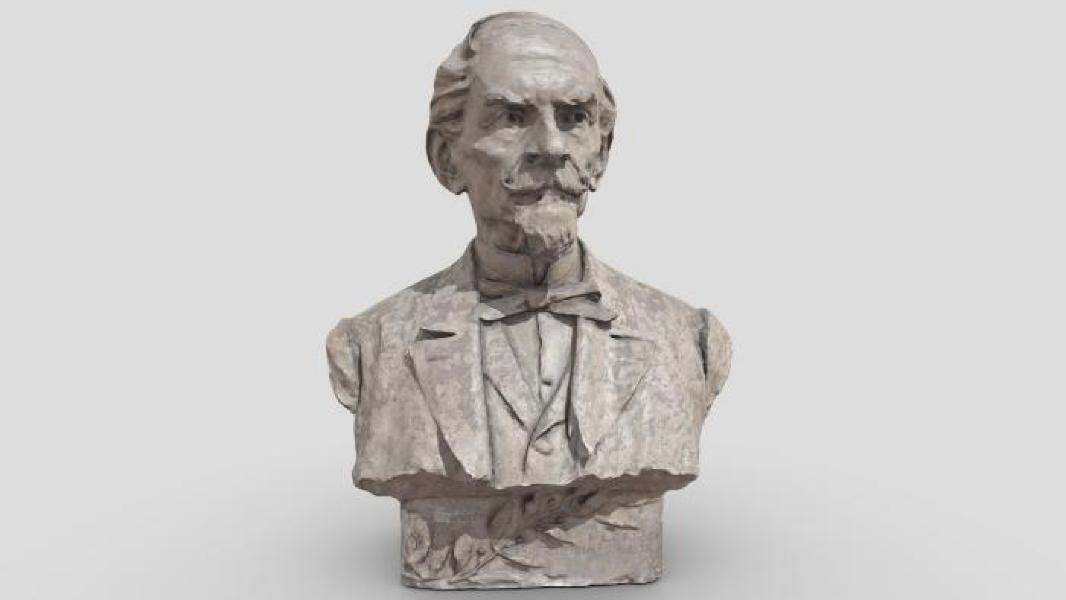
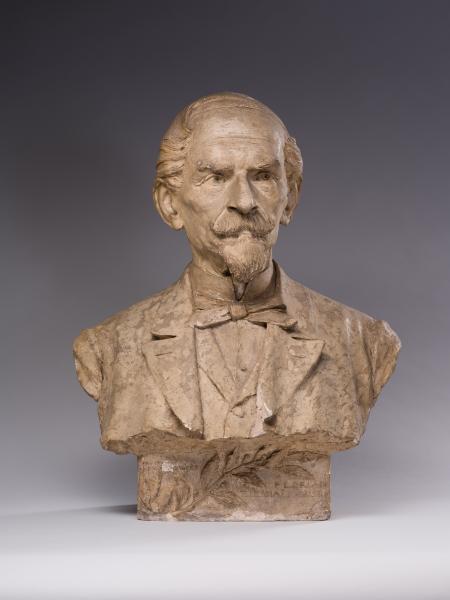
"The Bust of Florian Ziemialkowski" (1922) – a lawyer, participant in the January Uprising of 1863–1864, ambassador of the Galician Sejm in Lviv (1867–1869), the first president of the city after Galicia gained autonomy (1871–1873), member of the State Council in Vienna, Minister for Galicia in the Austrian government (1873–1888) – shows S.R. Lewandowski's return to "academic realism" in his mature work of the 1920s. The artist's realistic intentions can be seen in the reflection of the momentary essence and the exact reproduction of the individual features of the portrait. F. Ziemialkowski's will to act, determination and sharp mind are reflected in the high, clear forehead, the tight lips, the expressively modelled cheekbones and forehead, and the focused, penetrating gaze. The sitter's upright posture and proudly raised head emphasise his self-confidence. The noble formal dress indicates respectable social status. The glorification and commemorative nature of the posthumous portrait is highlighted by the laurel branch on the pedestal, symbolising eternity, triumph, and victory.
Inscriptions
Signed on the left on the base: "FECIT / LEWANDOWSKI"; on the right on the base: "FLORIAN / ZIEMIAŁKOWSKI"; on the back left is signature and date: "LEWANDOWSKI / 1922".
Portrayed person
- The name of the person portrayed
- Florian Freiherr Ziemialkowski
- Lifetime of the person portrayed
- 1817–1900
Legal regulation
Borys Voznytskyi Lviv National Art Gallery