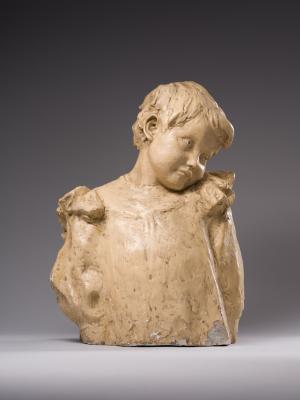
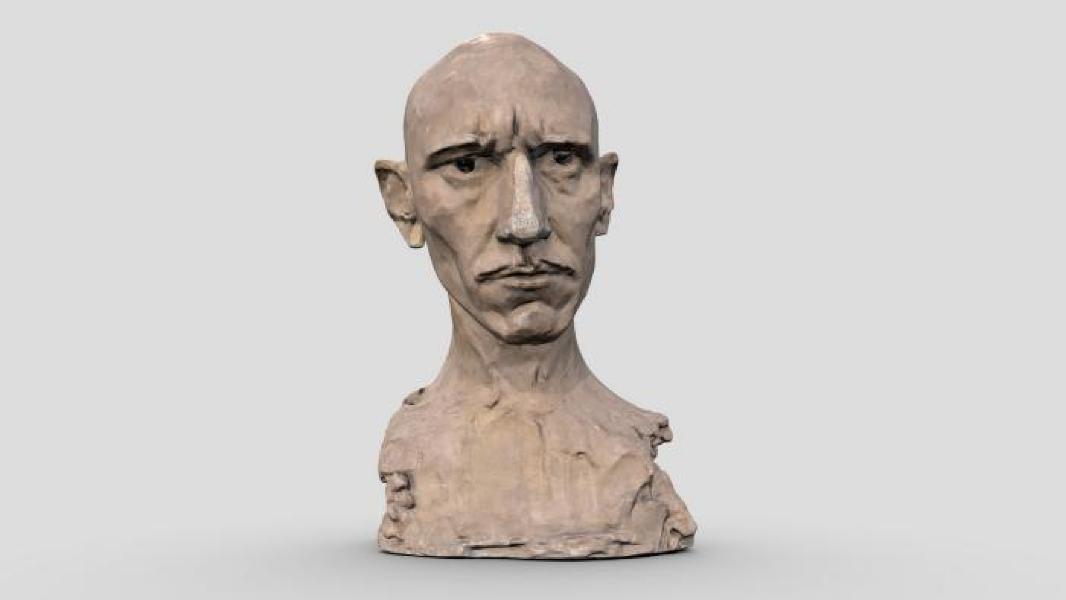
Bust of Kurus Vorobiov
Ksawery Dunikowski


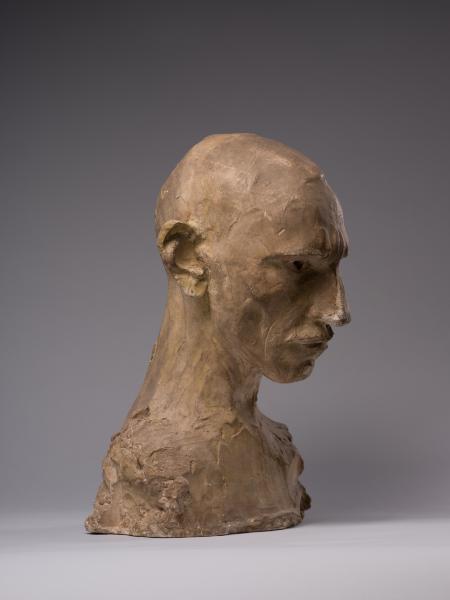
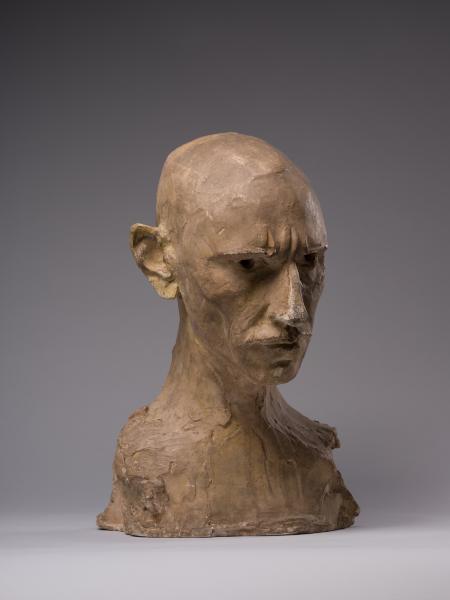
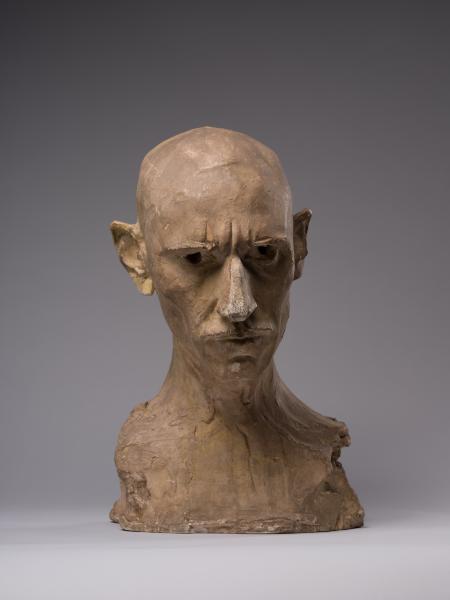
Basic information
- ID
- С-I-770
- Author
- Ksawery Dunikowski
- Name
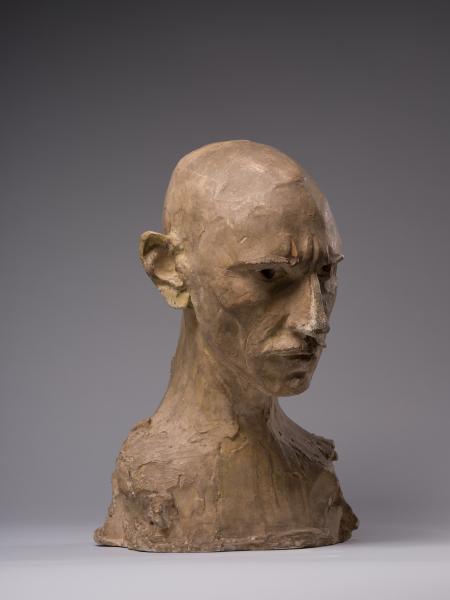
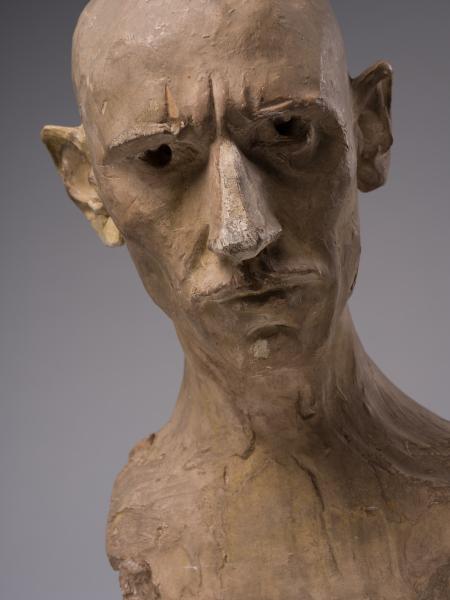
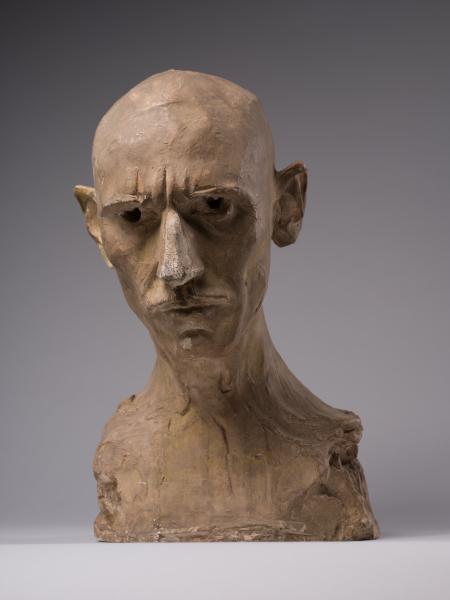
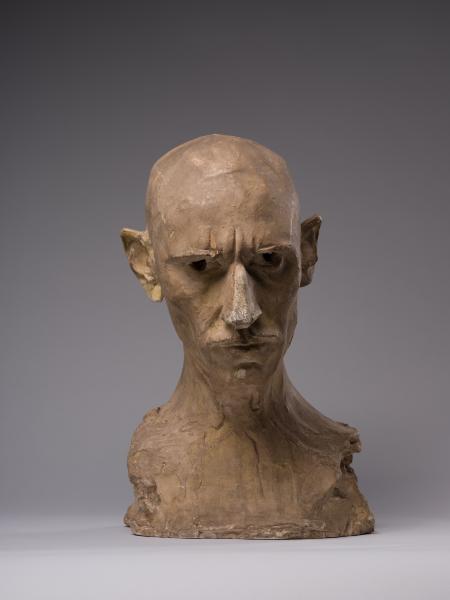
- Bust of Kurus Vorobiov
- Date of creation
- 1917–1920 (?)
- Country
- Austro-Hungarian Empire Poland
- Culture
- Contemporary times
- Technique
- moulding
- Material
- plaster
- Dimensions (height x width x depth, cm)
- 48 x 30 x 28
Additionally
- Type
- sculpture 3D
- Genre
- portraiture
- Plot
- Portrait bust
- Provenance
- Received as a result of an exchange with the Lithuanian State Art Museum in Vilnius, 1959
Information about author
Object description
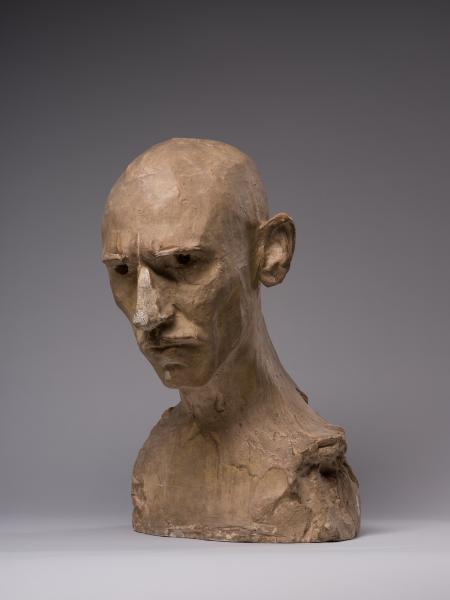
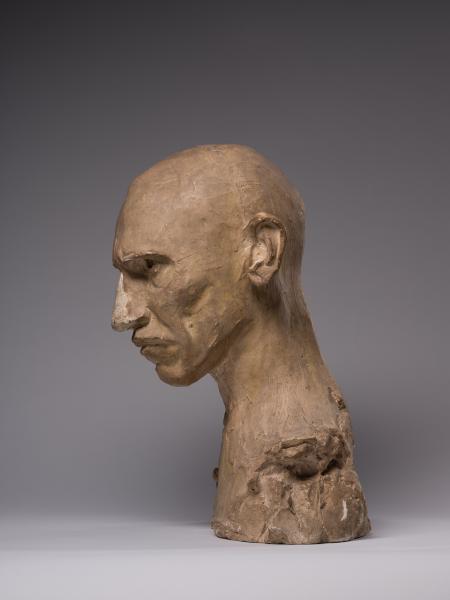
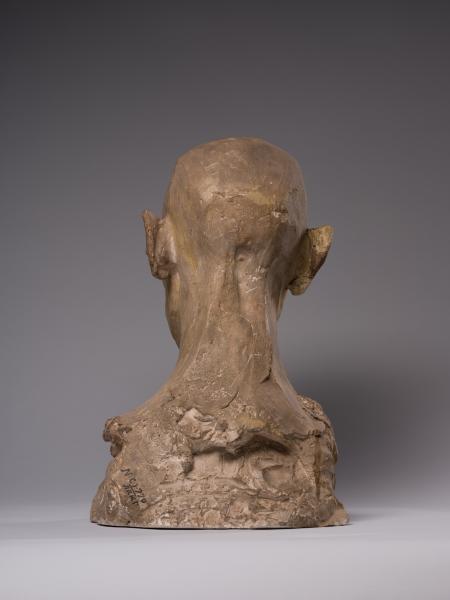
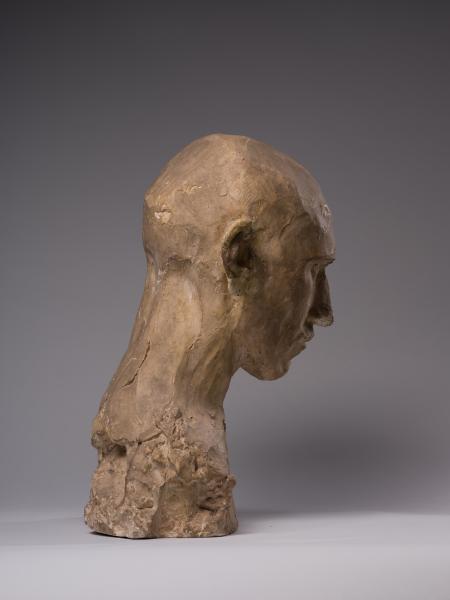
"The Bust of Kurus Vorobiov" (1917–1920 /?/) probably belongs to the Paris period of Ksavery Dunikowski's life and testifies to the expressionist beginnings of the artist's work. The expressionist character of the picture is confirmed by the extreme tension and "exposure" of the human essence through simplification, generalisation and geometrisation of forms. The image of the person portrayed as a creature who desires, suffers, and thinks in order to present himself to the world is reflected in the sharp facial features, the raised eyebrows, and a strip of thin, compressed lips. The "overcoming of existence" is reflected constantly, daily and at every moment in the tearful depressions of the eyes. The peculiarity of the portrait is its elevation to a visual sign of human drama in the midst of the socio-political breakdowns of the early twentieth century and the First World War. The plastic solution of the bust resonates with the expressionist works of E. Barlach and K. Kollwitz.
Portrayed person
- The name of the person portrayed
- Kurus Vorobiov
Legal regulation
Borys Voznytskyi Lviv National Art Gallery