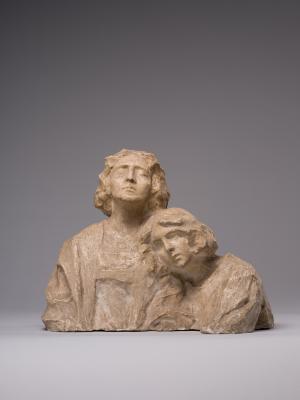
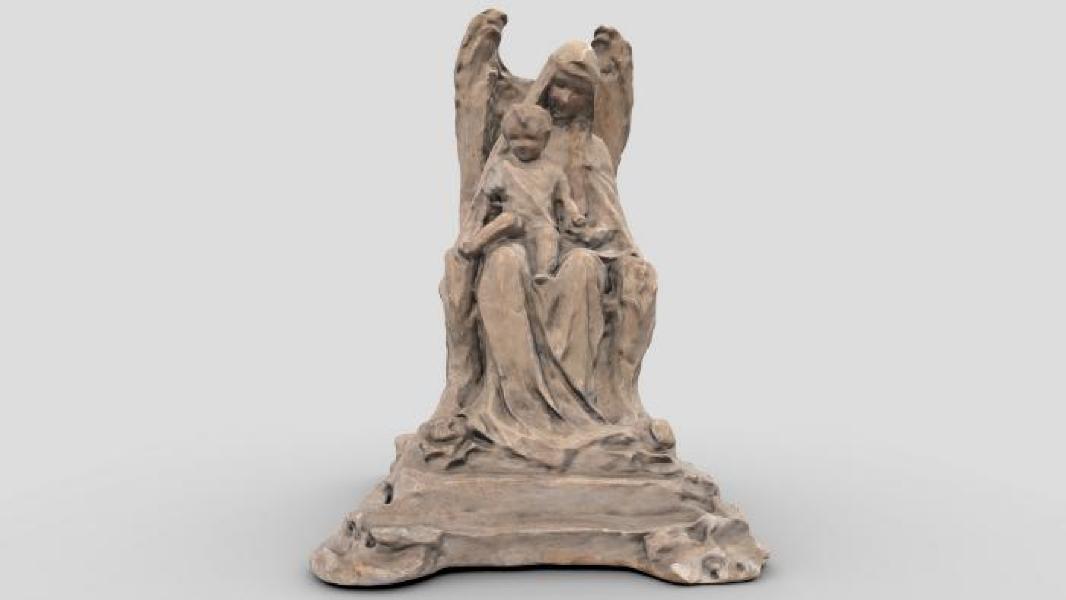
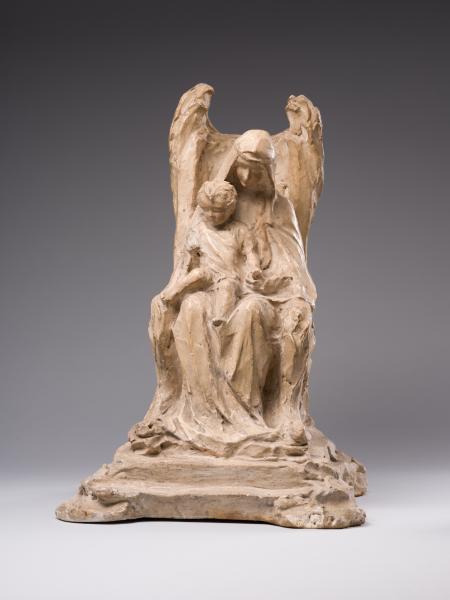
Virgin Mary and Child
Luna Drexler


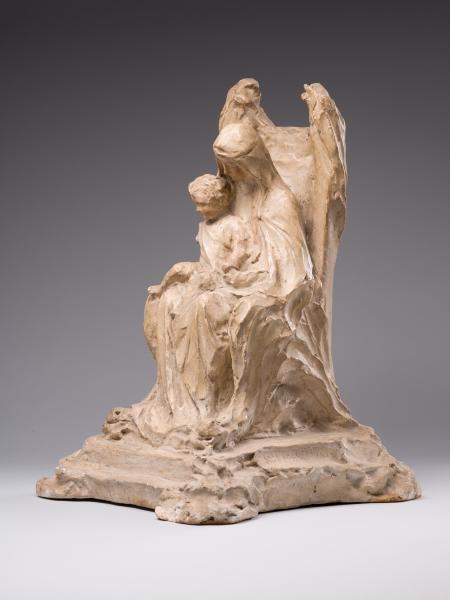
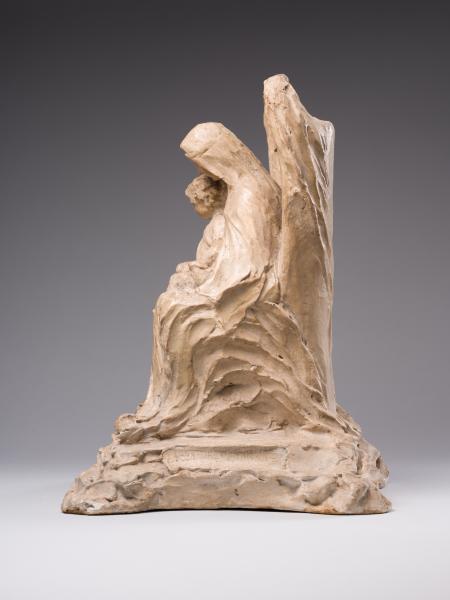
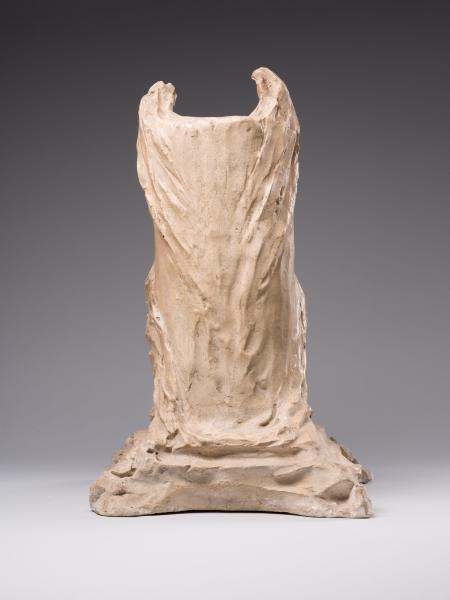
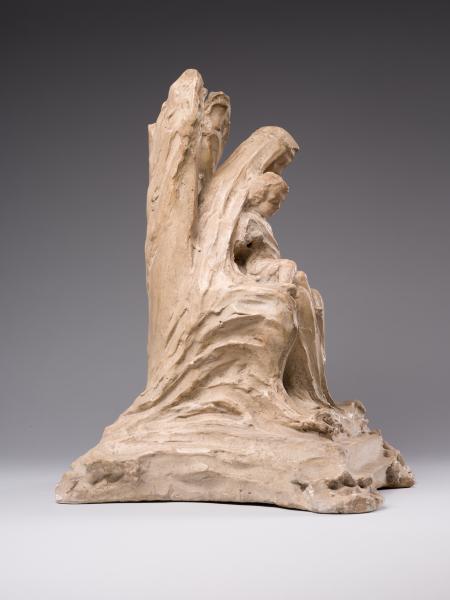
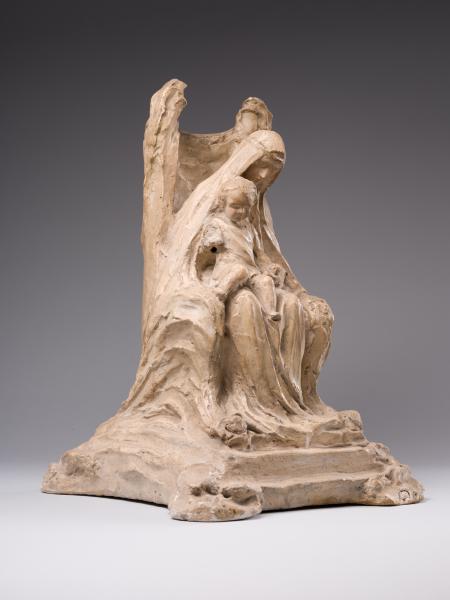
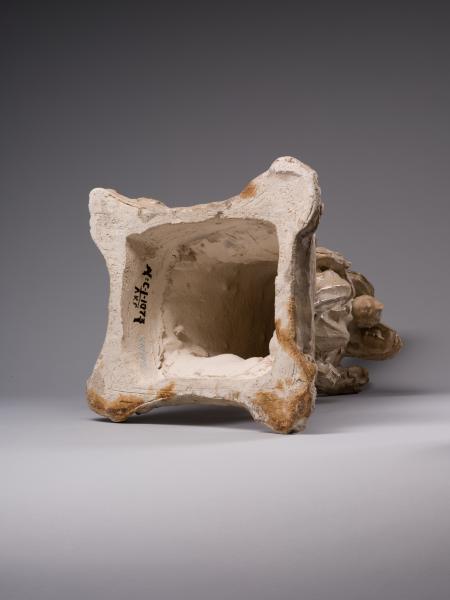
Basic information
- ID
- С-I-1073
- Author
- Luna Drexler
- Name
- Virgin Mary and Child
- Date of creation
- 1920–1925
- Country
- Poland
- Culture
- Contemporary times
- Technique
- moulding
- Material
- plaster
- Dimensions (height x width x depth, cm)
- 45.5 x 31 x 33
Additionally
- Type
- sculpture 3D
- Genre
- symbolic art
- Plot
- Madonna. The Virgin Mary and Christ Child
- Provenance
- Purchased from a private individual
Information about author
Object description
"The Virgin Mary and the Child" belongs to the mature period of Luna Amalia Drexler's work, when, under the influence of R. Schneider's anthroposophy, the artist turned away from Impressionism and Secessionism and plunged into the world of medieval culture in the unity of its meanings and forms. The result was an understanding of art as a mediator of spiritual meanings, a materialisation of the transcendent and an appeal to religious themes and subjects. Defined as "synthetic realism", the sculptor's new creative style was filled with metaphysics, Symbolism, and stylisations of Gothic and Renaissance art forms. The image of the Mother of God is interpreted in a number of the artist's works, including "The Virgin Mary and the Child", exhibited at the First Exhibition of Polish Artists in Lviv (1917), and "The Mother of God on the Throne" (1921–1924), installed in 1924 in the chapel of the Lviv Defenders' Cemetery. Combined with a creative interpretation of the traditional iconographic scheme of the Mother of God on the Throne, the compositions are perceived as an "image paradigm" of motherhood – a semantically multi-layered communicative artistic structure that "broadcasts" a differentiated set of meanings and appeals to the cultural experience of the viewer. In contrast to the majestically static, sublime "Madonna and the Child", the sculpture from the collection of Borys Voznytskyi Lviv National Art Gallery is characterised by less plastic integrity, active texture, differentiation of the figurative solution and artistic forms. Thus, the intricate outlines of the throne, the pedestal and the drapery reflect the decorative style of the Secession; the gently inclined beautiful female head has absorbed the harmony of antiquity and the Renaissance; and the image of the child has acquired domestic-genre features. The peculiarity of the work is the emphasis on Madonna's enlightened face, full of tenderness – a symbol of maternity that unites traditions, cultures, and times.
Inscriptions
On the base on the right: "LUNA DREXLERÓWNA".
Legal regulation
Borys Voznytskyi Lviv National Art Gallery