Breton Woman І
Julia Smolkowna


Basic information
- ID
- С-I-338
- Author
- Julia Smolkowna
- Name
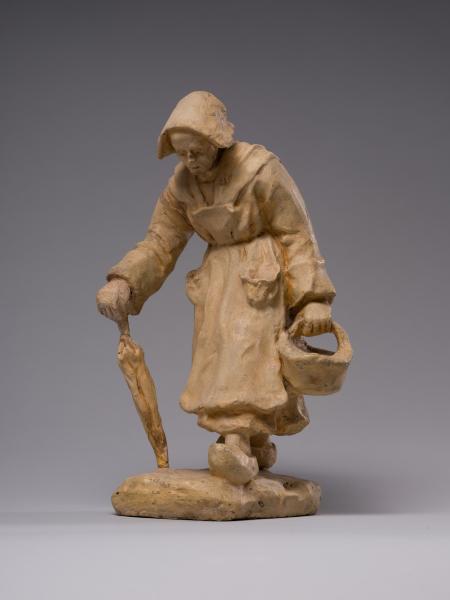
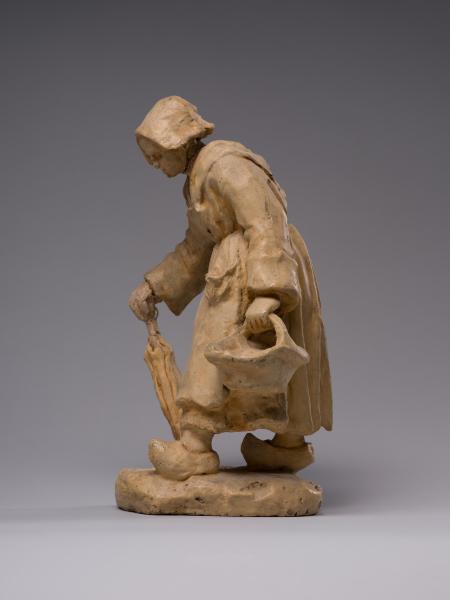
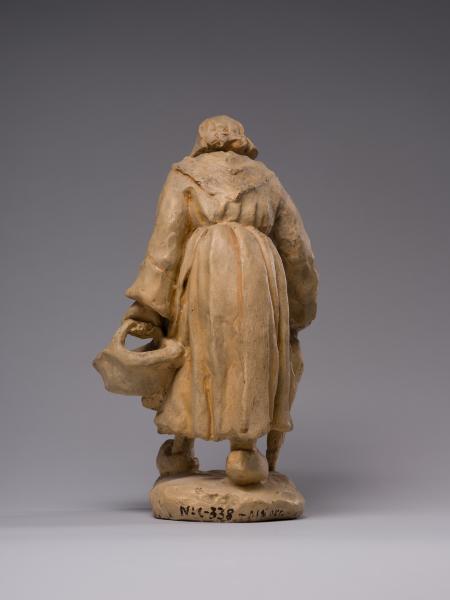
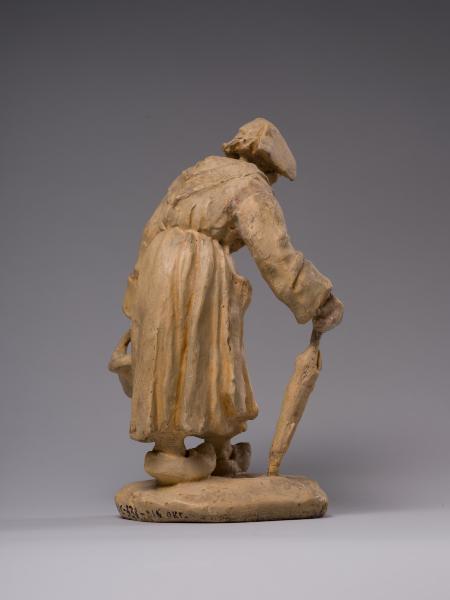
- Breton Woman І
- Date of creation
- 1916
- Country
- Austro-Hungarian Empire
- Culture
- Contemporary times
- Technique
- moulding
- Material
- plaster vernix
- Dimensions (height x width x depth, cm)
- 28 x 11 x 14
Additionally
- Type
- sculpture 3D
- Genre
- genre art
- Provenance
- National Gallery of Lviv (until 1940)
Information about author
Object description
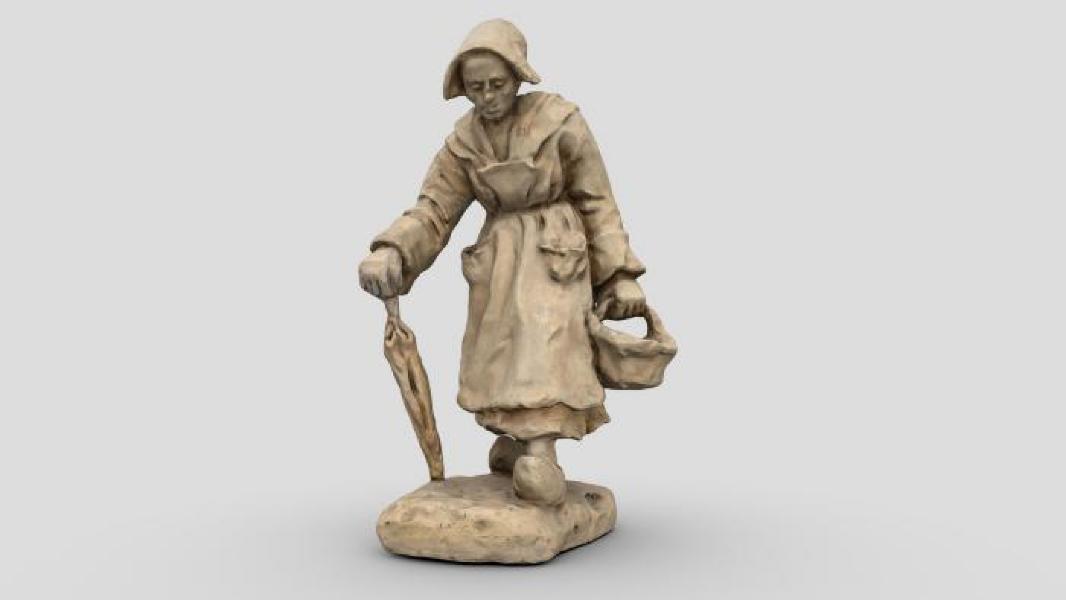
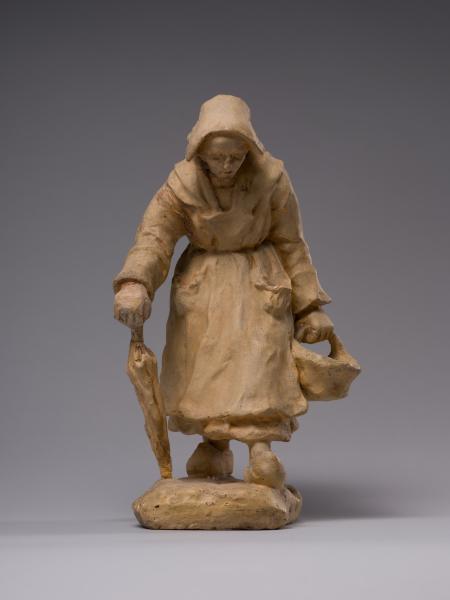
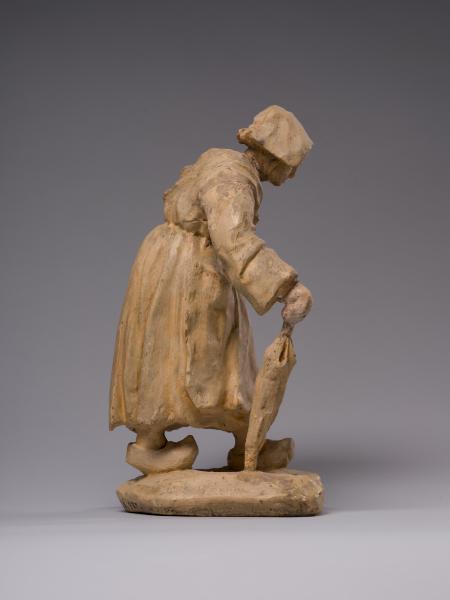
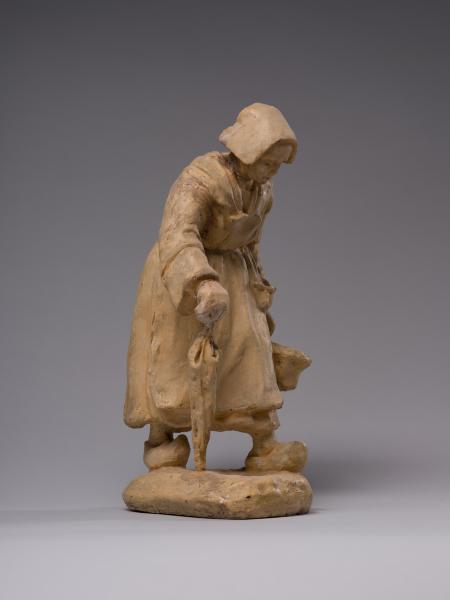
The embodiment of the "realistic genre" tendencies in J. Smolkowna's oeuvre is represented by plot scenes, which received favourable reviews from art critics. For example, V. Zhyla wrote in the "Lvivska Gazeta" that "Smolkowna's small figures are very mobile as if they were constantly enveloped in air, surrounded by trembling, vibrating energy". S. Makhnievych, in his review of the IV Exhibition of Lviv Artists in 1921, said: "Smolkowna is rooted in modern French sculpture (Rodin), has a lot of courage, scope, and a sense of volume". The "perfection of plasticity and movement" of the action groups created by J. Smolkowna was noted by J. Tomicka in her review of the VI Exhibition of the Association of Polish Women Artists in Lviv. The "Breton Woman І" figure (1916) is one of three variations of the motif in the works by J. Smolkowna from Borys Voznytskyi Lviv National Art Gallery collection, created, probably, under the influence of direct impressions received by the sculptor in France in 1913–1914. Figuratively, the work resonates with numerous sketches of street scenes in art history – from Annibale Carracci's "Professions of Bologna" to Jean-Antoine Watteau's "Savoyard with a Marmot". The dominant feature of the work is the capture of the characteristic in everyday momentary action as if torn from the flow of life. The sculpture is characterised by dynamic modelling, creating a play of light and shadow and an impressionistic fluidity of form.
Inscriptions
The signature on the left side of the base reads: "J. Smolkówna".
Legal regulation
Borys Voznytskyi Lviv National Art Gallery