Emperor Titus Flavius Vespasian
unknown


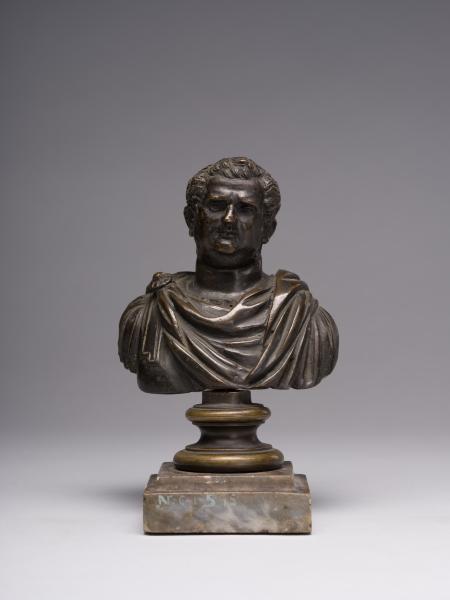
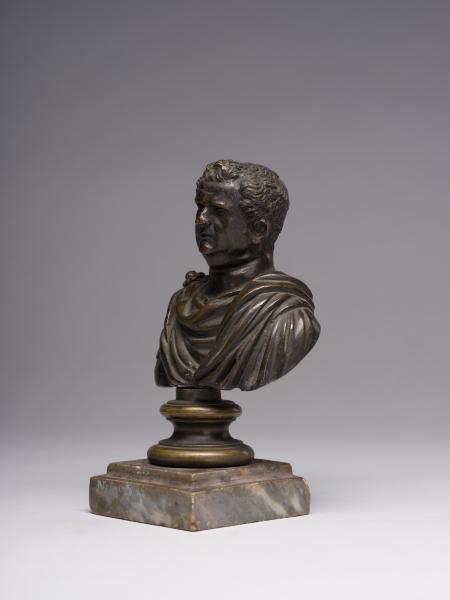
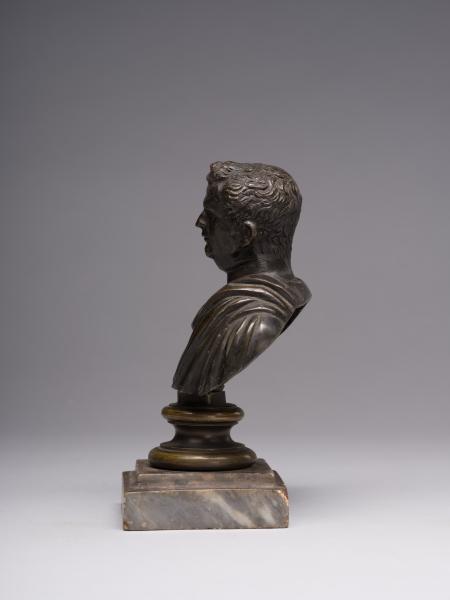
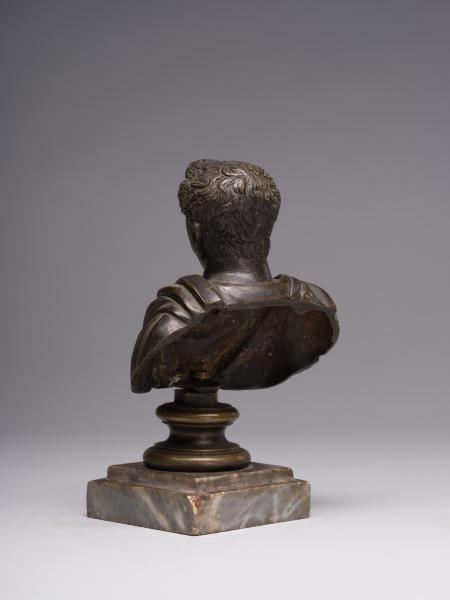
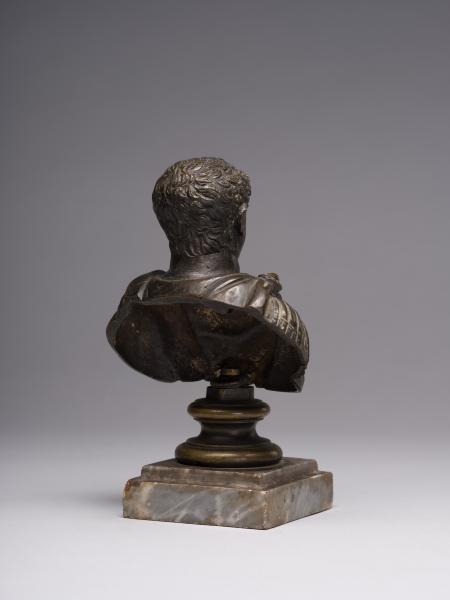
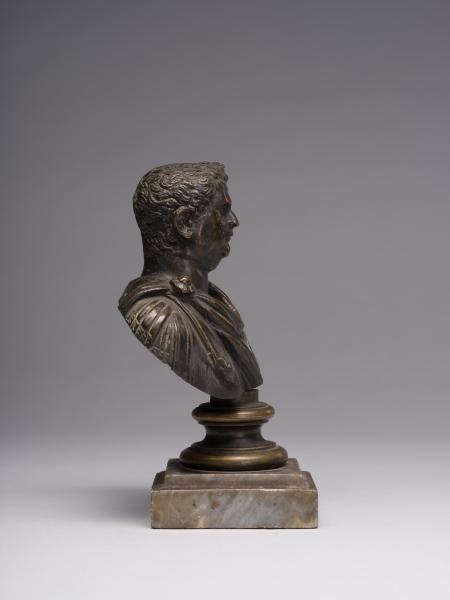
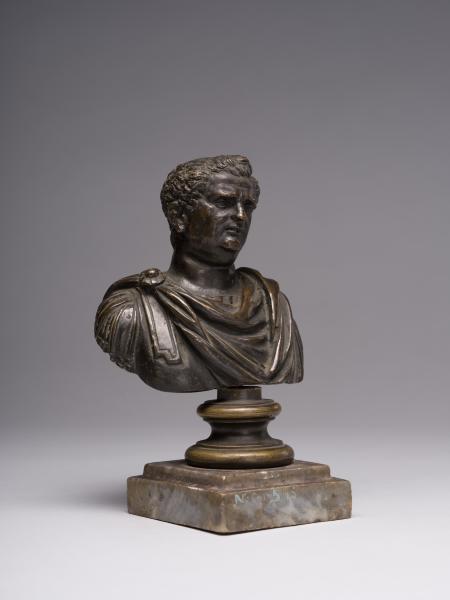
Basic information
Additionally
- Type
- sculpture
- Genre
- portraiture
- Plot
- Portrait
- Provenance
- Collection of Wladyslaw Lozinski in Lviv Collection of Lviv City Gallery
Information about author
Object description
Titus Flavius Vespasian was a Roman emperor (reigned 79–81 AD). As a military commander, he destroyed and plundered Jerusalem (70 AD) during the Jewish War. At the beginning of his reign, Mount Vesuvius erupted and Pompeii was destroyed (79 AD). During his reign, the construction of the Colosseum (Flavian Amphitheatre, 80 AD) was completed. The identification of the Roman emperor’s bust was made based on a portrait analogy with the statue of Titus Flavius Vespasian (79 AD) from the National Archaeological Museum in Naples, as well as the bust of Titus Flavius in the State Hermitage. The Lviv bust is probably a copy of a Roman portrait from the 1st century, made during the Renaissance or early Baroque period. The bust depicts a middle-aged man in a frontal view. The subject is depicted with a broad, prominent neck, short, wavy hair, a distinctive face with a straight nose, narrow lips, and deep-set eyes. The absence of a beard indicates that this emperor ruled in the 1st century AD, when Roman rulers did not wear beards. The man is dressed in a paludamentum (a military cloak) draped over his shoulders and fastened with a fibula on the right shoulder. The bust in a carved, rounded plinth is set on a square pedestal made of pink marble.
Inscriptions
On the front side of the plinth, there is an inscription in white paint: “№ С-І-545/ Л.ОКГ”. On the bottom of the plinth, there is an inscription: “17 GNML”; a sticker with the number ‘17’; a stamp with the inscription: “Gal. Nar. m. Lwowa”.
Portrayed person
- The name of the person portrayed
- Titus Flavius Vespasian
- Lifetime of the person portrayed
- 39 AD – 81 AD
Legal regulation
Borys Voznytskyi Lviv National Art Gallery