Coral Fishers
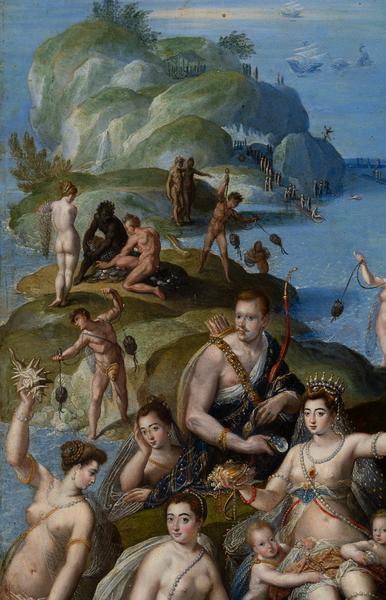
Jacopo Zucchi


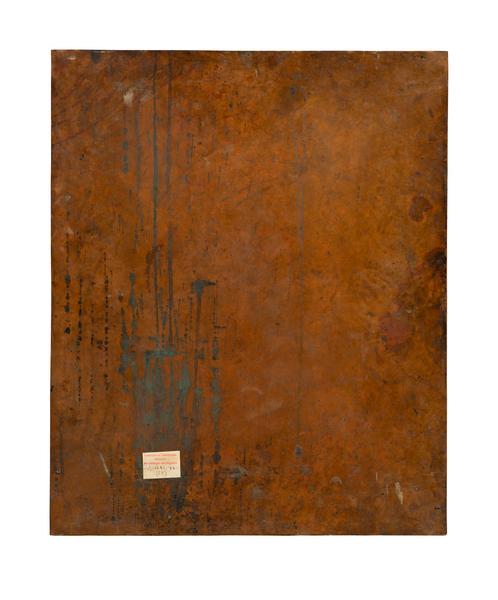
Basic information
- ID
- Ж-272
- Author
- Jacopo Zucchi
- Name
- Coral Fishers
- Date of creation
- с.1590
- Country
- Italy
- Technique
- oil painting
- Material
- copper oil
- Dimensions (height x width, cm)
- 53 x 43
Additionally
- Type
- painting
- Genre
- symbolic art portraiture mythological painting
- Plot
- Discovery of America
- Provenance
- the Lubomirski collection
- Exposition
- Potocki Palace
Information about author
Object description
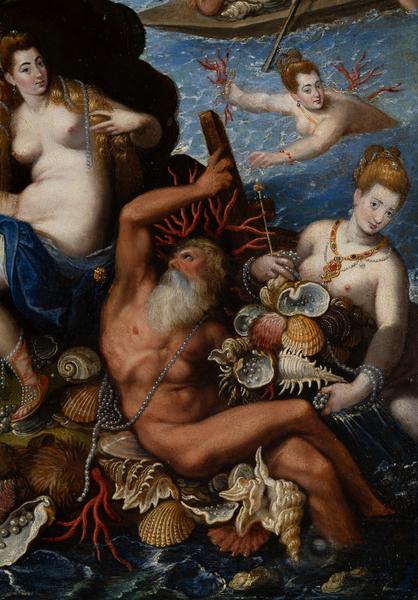
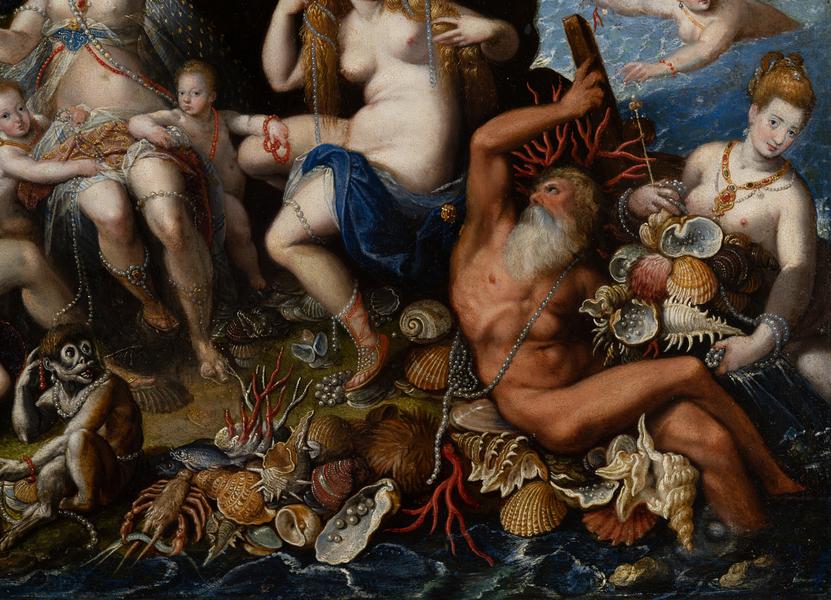
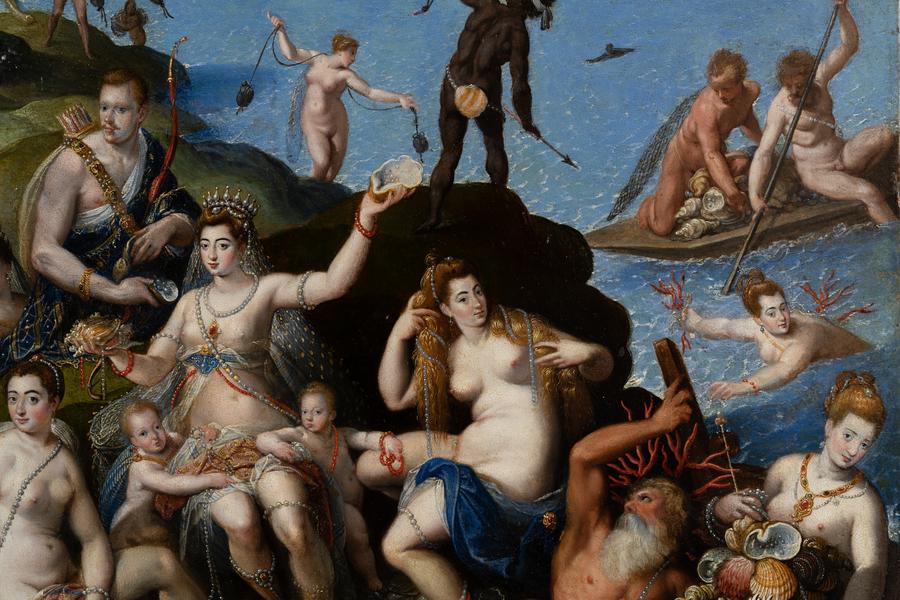
According to Giovanni Baglione's biography of the master, written in the first half of the 17th century, Ferdinando de' Medici commissioned the master to create, among other works, a small "studiolo" depicting the scene of "Coral Fishing". The painting also had to illustrate many nudes, among which were supposed to be portraits of beautiful Roman women worthy of attention as wonderful visions. "Coral Fishers" by Jacopo Zucchi is currently known in three versions, one of which is housed in the Borghese Gallery in Rome. However, only the composition from the collection of Borys Voznytskyi Lviv National Art Gallery is signed and dated by the artist, and it is the only one that presents a portrait of the Grand Duke of Tuscany Ferdinando I Medici, depicted as a hunter in the centre. Among other mythological figures, one can confidently identify the woman sitting next to Ferdinando – it is Clelia Farnese, the daughter of Cardinal Alessandro Farnese. Her portrait, painted by Jacopo Zucchi before 1587, is housed in the collection of the National Gallery in Rome. Clelia's presence next to Ferdinando is explained by their close relationship before the move of the then-cardinal from Rome to Florence. The cardinal's passion can be easily understood given that in 1581 Michel de Montaigne described Clelia Farnese as "the sweetest and most amiable of all women in Rome, the likes of which I have not been able to meet anywhere else". After moving to Florence in 1587 and assuming the title of Grand Duke of Tuscany, Ferdinando de' Medici married Christina of Lorraine for political reasons. Since then, he was to be reminded of the beautiful Clelia and their relationship by a double portrait, presented only in the Lviv painting "Coral Fishers", while the other two versions of this composition do not depict Ferdinand next to Clelia. The work's theme and symbolic content are directly related to the cultural and political atmosphere in Florence at the Medici court. The work somewhat reflects Ferdinand's interests in zoology and botany. The introduction of the scene with the pearl hunters had to echo the allegorical image of the newly discovered American continent, which was not accidentally called the Pearl Coast. Furthermore, in the 16th century, the myth of America as the embodiment of the idea of "Earthly Paradise" spread throughout Europe, providing impetus for the revival of the ancient myth of the "Golden Age" in European culture. The image of the "Golden Age", as an allegory of just rule and a metaphor for the Medici family's power, found particularly favourable ground in the literature and art of Florence. Pearls and corals have long been regarded as attributes of water. People considered the pearl born in the water in the oyster's body to be a symbolic expression of the person's indestructible divine values. According to the Gospel of Matthew (13:44-46), "The Kingdom of Heaven is like a merchant seeking for good pearls". Thus, pearls and corals in the philosophical and religious perception of the world of that time were allegories of the concepts of selection and exclusivity.
Inscriptions
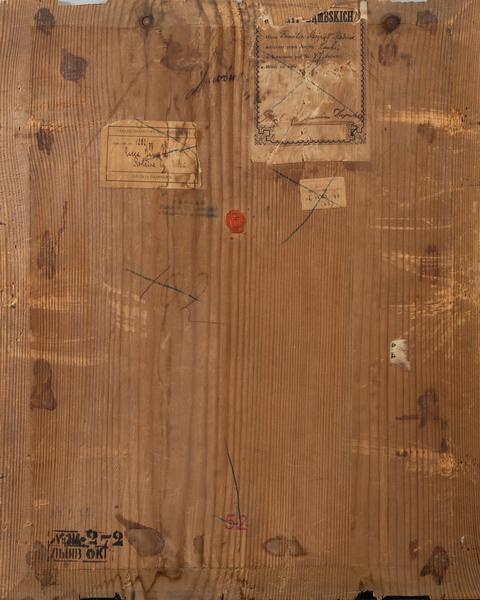
In the lower right corner, the signature: "Jacobus Zuchi fior fecci 159(0)"
Portrayed person
- The name of the person portrayed
- Ferdinando de' Medici
- Lifetime of the person portrayed
- 1587–1609
Legal regulation
Borys Voznytskyi Lviv National Art Gallery