Dead Birds
Willem van Aelst


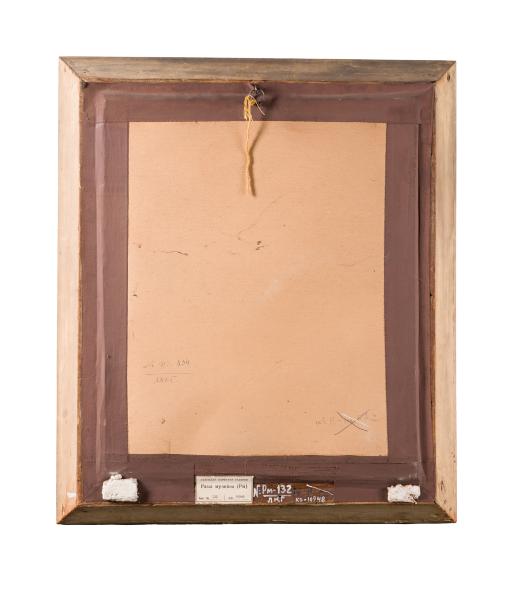
Basic information
- ID
- Ж-834
- Author
- Willem van Aelst
- Name
- Dead Birds
- Technique
- oil painting
- Material
- wood oil
- Dimensions (height x width, cm)
- 56 x 45.5
Additionally
- Type
- painting
- Genre
- animal painting
- Plot
- Still life
- Provenance
- Purchased in 1940
- Exposition
- Potocki Palace
Information about author
Object description
On a dark background, several killed birds are depicted. Some hang with their heads down, their white and brown feathers dishevelled and in disarray. Others lie on the table between a half-filled glass (a berkemeyer) and a filled pitcher. The neck of the pitcher is tightly wrapped with a jute hemp cord. The work is painted in a warm, ochre colour palette. The hunting equipment is absent, so we are likely looking at a still life featuring fowl. Intense competition fostered a narrow specialisation among Dutch painters, developing original artistic imagery and techniques. They predominantly depicted secular subjects, landscapes, still lifes, genre scenes, maritime themes, or portraits. Willem van Aelst was able to work in several genres. Hunting-themed still lifes became popular in the Netherlands as society began to prosper. Such works evoke a sense of realism, as the animals and birds are depicted in life-size and feature natural colouring. In European galleries, Willem van Aelst's hunting still lifes are exhibited, including: "Still Life with Hunting Equipment and Dead Birds", 1668 (Karlsruhe); "Still Life with Game and Hunting Equipment", 1660 (Berlin); and "Hunting Still Life with a Dead Bird", 1671 (The Hague).
Legal regulation
Borys Voznytskyi Lviv National Art Gallery